
HISTORY OF
CUBA’S MEDICAL
INTERNATIONALISM
By Conner Gorry
Photos courtesy of Medical Education Cooperation with Cuba (MEDICC)
Key Historical Background
“We volunteer. Each person has to make that decision. For me, my profession is my life. And, like the others selected, I’d served abroad in health emergencies before. When I read about Ebola, I signed up because help was needed right away.
– Dr. Félix Baéz, Henry Reeve Contingent, Sierra Leone (2014)
Like all Cuban emergency medical volunteers serving in the most dangerous and contagious places, Félix Baéz is a tough cookie. A veteran of the Henry Reeve Contingent’s 2005 Pakistan mission, he joined 255 other Cuban medical professionals who answered the call to help fight Ebola in West Africa in 2014. After undergoing specialist in-country training and receiving certification in WHO protocols, Baéz worked six-hour shifts, seven days a week. He donned full hazmat gear to treat the most critical patients. Several died. Then, he contracted Ebola and nearly died himself. His first words days after fighting for his life: “I’m going to be okay. And I’m going back to Sierra Leone.” And that’s precisely what he did.
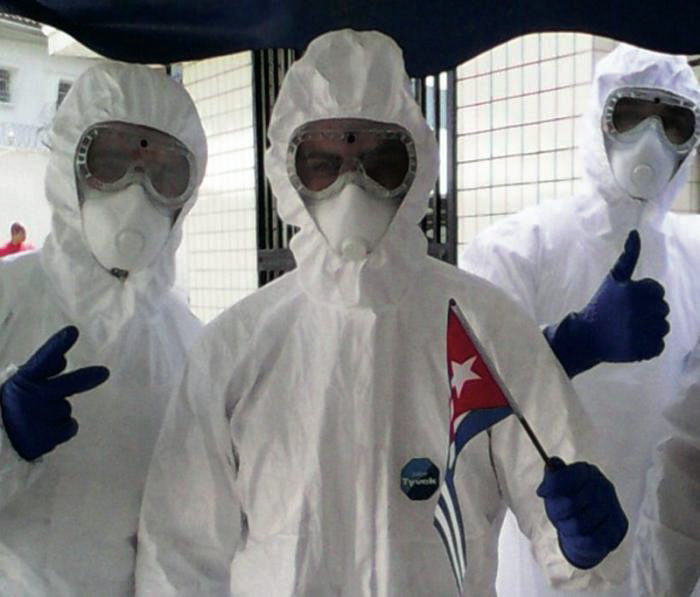
5,000 Cuban doctors and nurses volunteered for the Henry Reeve Emergency Medical Contingent to fight Ebola; 500 were chosen for training, and 256 were selected to serve in Guinea, Liberia, and Sierra Leone (2014)
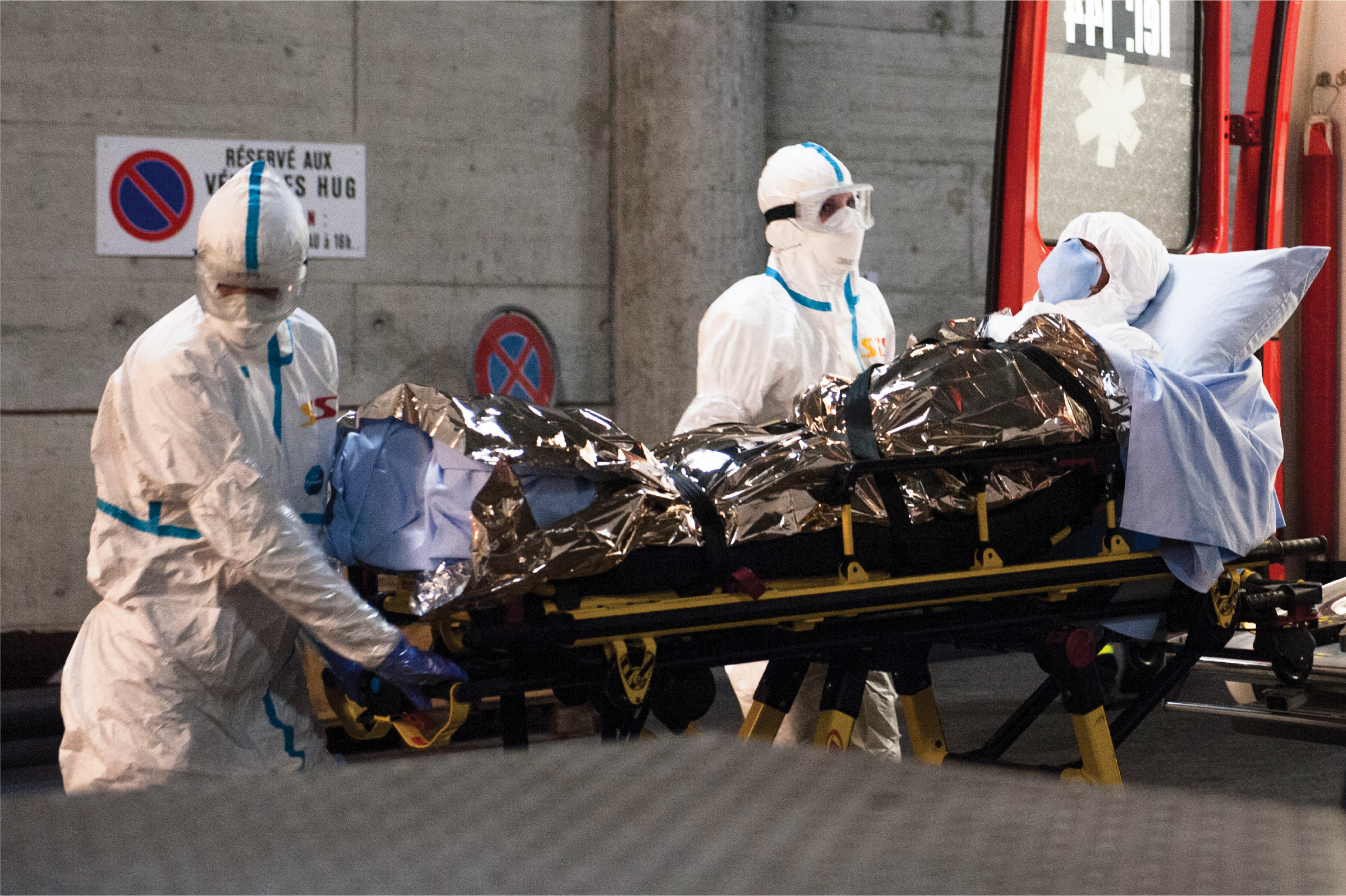
Cuban volunteer Dr. Félix Baéz arrives in Geneva for treatment after contracting Ebola while attending patients in Sierra Leone (2014).
“There was no school here in the Sierra Maestre, so I began picking coffee when I was 11. When somebody got sick, we had to carry them on our shoulders to the hospital 16 miles away.”
– Algimiro Ortíz, Cruce de los Baños (2012)
How is it possible that Cuba, a small country long stifled by U.S. sanctions and demonized for decades, sent more doctors than any other nation to contain the virus ripping through West Africa? Who would risk their lives for strangers in an unfamiliar territory, fighting Ebola? It’s hard to fathom that such solidarity is real. And yet, Ebola was not Cuba’s first (or last) rodeo: Cuba has provided medical and disaster relief to other countries since 1960, honing and improving its strategy with each experience. The commitment shown by Baéz and thousands of others serving abroad cannot be bought, coerced, or forced — it’s a calling that is deeply ingrained in Cuba’s free and universal health system. This is why Cuban medical services are requested by governments worldwide. Can so many countries be wrong?
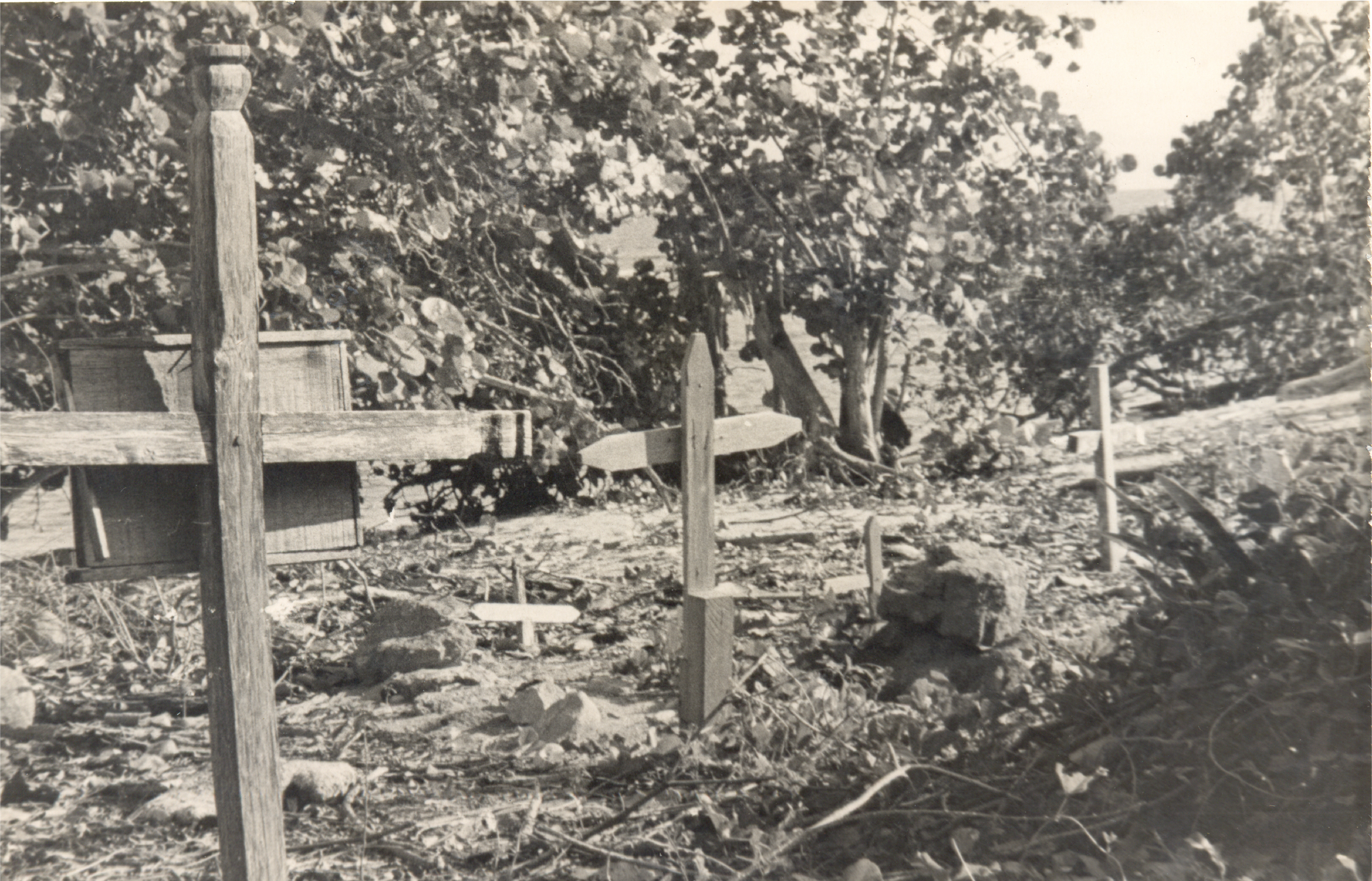
Crosses in Chivirico, Guantánamo Province mark where rural patients died en route to seeking medical care (1958).
Before 1960, Cubans in rural areas had no access to education or health services. Child labor, like that experienced by Algimiro Ortíz, helped keep families afloat while navigating poverty, illiteracy, and malnutrition. Too often, it wasn’t enough. With only one hospital for the entire Cuban countryside, patients died from polio, measles, dengue, and other diseases. This reality cemented the Cuban revolution’s commitment to health as a human right and a new health strategy based on prevention, access, equity, and science.
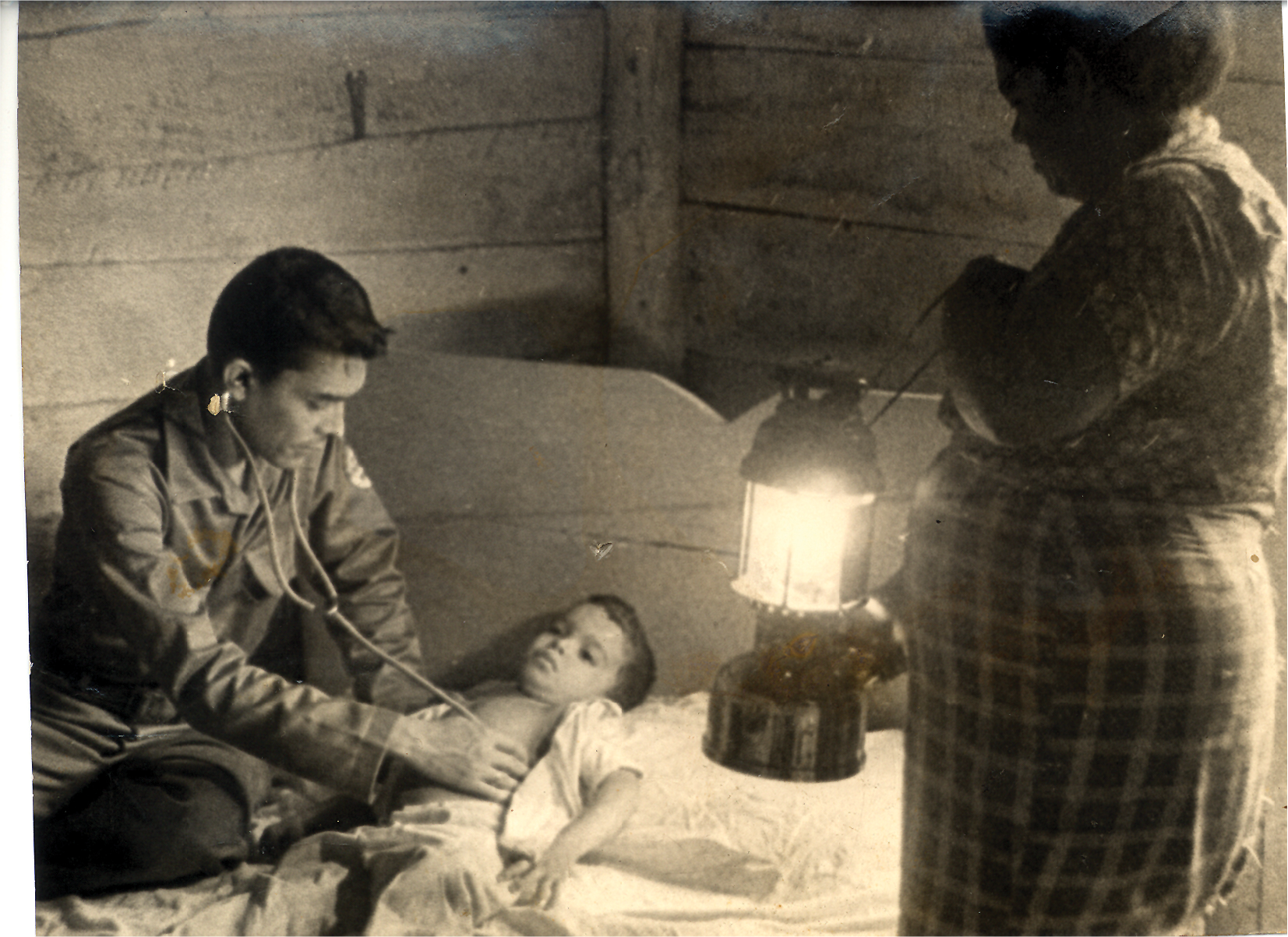
Before the Rural Health Services was created in 1960, life expectancy in the Cuban countryside was 50; intestinal parasites were the top cause of death; 60% of Cubans were undernourished; and almost 42% of the rural population was illiterate (1962).
This wasn’t just revolutionary rhetoric: the new government completely upended Cuban society by rejecting discriminatory city-rural policies and restructuring social services based on equity. Three early initiatives embodied this political will:
• Rural Health Services (1960) – The first actions taken were prioritizing remote, rural areas and launching anti-malaria, polio vaccination, and clean water campaigns.
• National Literacy Campaign (1961) – Around 200,000 young volunteers fanned out across the country to teach every Cuban to read and write. As a result, UNESCO declared Cuba illiteracy-free in 1962.
• National Health System (1961) – Complete transformation of national health services into a free, universal, and prevention-based healthcare system for all regardless of race, gender, religion, location, or financial capabilities.
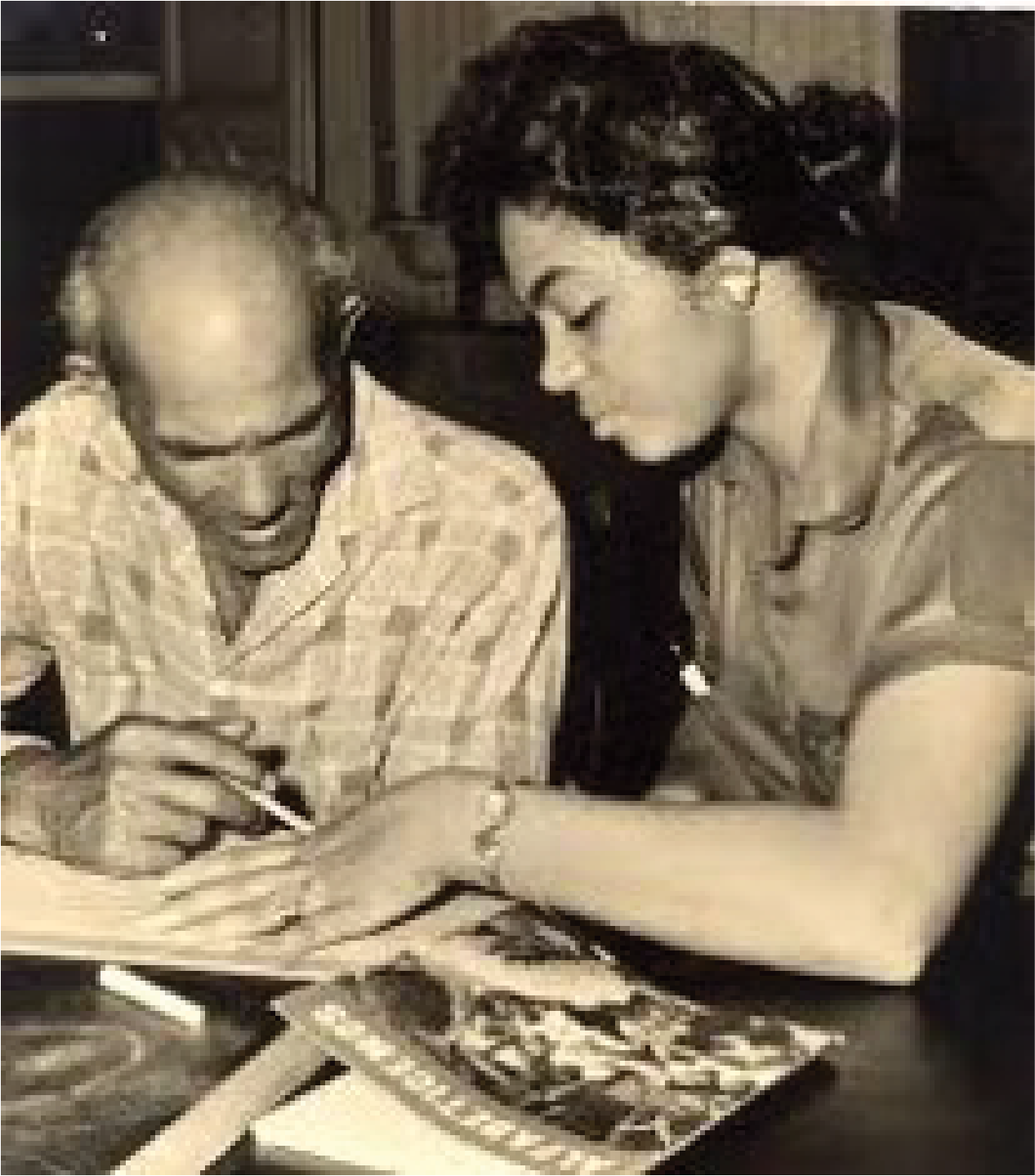
In one year, volunteers taught every Cuban to read and write; a literate populace is a healthier populace (1961).
Health in and by Communities
”Community nurses are like family: they know their patients and share the same daily problems. They make house calls, alert patients to risk factors, advise on risk reduction, and deliver health promotion messages.”
– Maricela Torres, Cuban Nursing Network for Child Health (2013)
The 1960s were dedicated to leveling the playing field for all Cubans, combined with massive health professional training in which medical students went to school for free. The best doctors were posted to the most remote areas, where systematic data analysis revealed that a community-based, primary care model was more effective. In this approach, health professionals live in the communities they serve and can implement preventive and epidemiological actions to catch illness early, rather than relying on a hospital-based system with unequal access that focuses on treating people only after they are already sick. Subsequently, each of these components was embedded within all of Cuba’s medical endeavors, including its global programs.
RAMPING UP TRAINING
Nearly half of Cuba’s 6,000 doctors, dentists, and medical professors left following Batista’s ouster, creating an urgent need for new health professionals. The opportunity to study medicine tuition-free drew students from across the country; the newly-trained doctors soon had an impact on wait times, access to specialist services, and indicators.
Year
Doctor-to- Patient Ratio
Dentist-to-Patient Ratio
1958
1 : 1,076
1 :27,052
1975
1 :996
1 :4,007
1990
1 :274
2000
1: 170
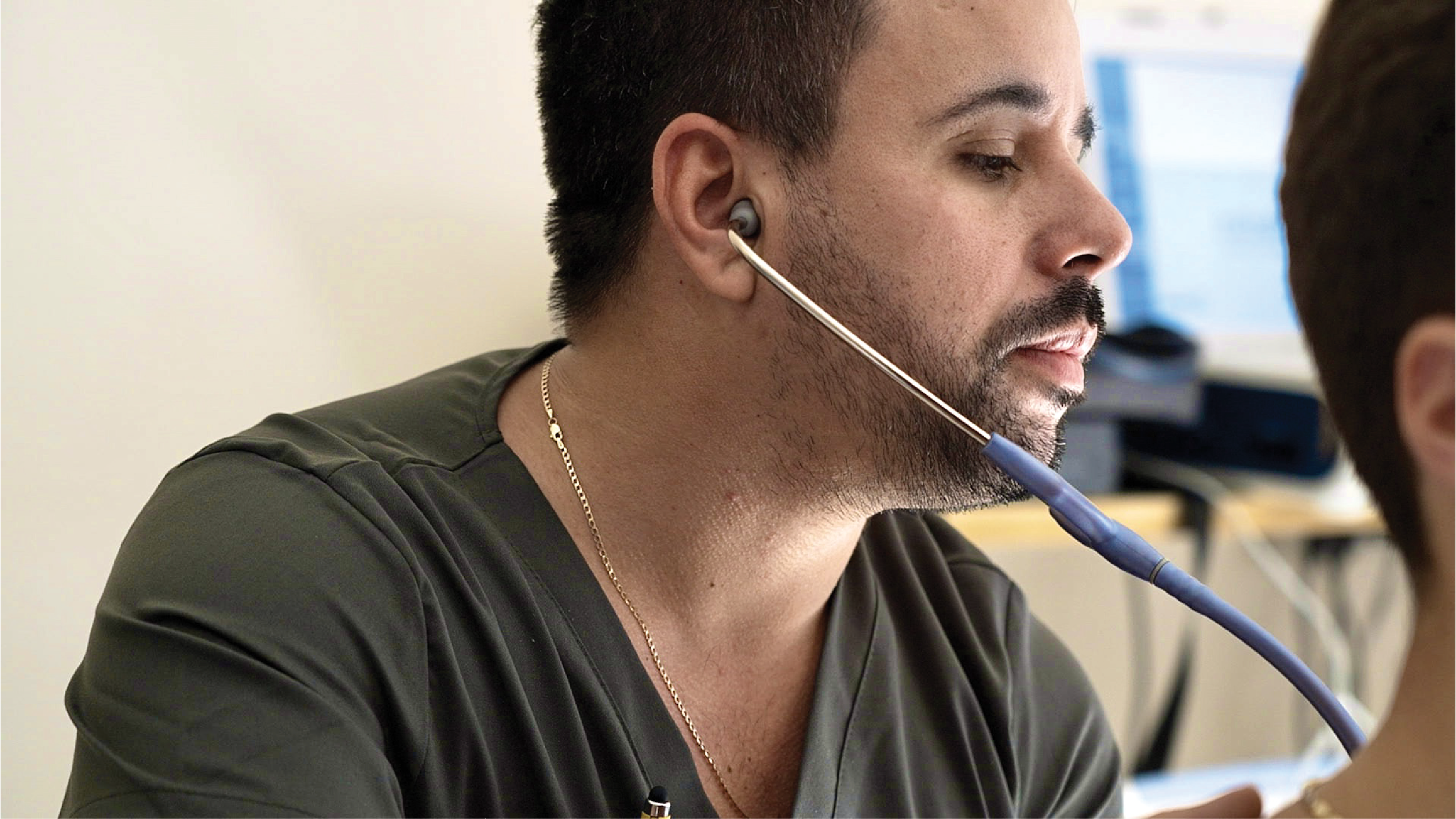
In 1974, Cuba introduced its community-based healthcare model, which included multi-service polyclinics (1974). A decade later, primary care offices, known as consultorios, were established throughout the country. In consultorios, the doctor and/or nurse live above their offices, allowing them to know their patients and what affects their health intimately. In the world of public health, this was incredibly pre-curve.
• Consultorio: These doctor and nurse offices are distributed in neighborhoods across the country and are the first point of patient contact. The consultorios work in concert with the local polyclinics and emphasize a preventive approach. Each consultorio serves around 1,500 people, with doctors and nurses making house calls when warranted, and they are required to do annual assessments of their neighborhood's local health picture.
• Polyclinic: These multi-service clinics are embedded in neighborhoods and linked to consultorios to provide comprehensive care tailored to the health picture of that neighborhood (eg, smoke cessation treatment in communities with many smokers). Polyclinics serve up to 13,000 people and provide diagnostic and emergency care, as well as specialist services like obstetrics, orthopedics, cardiology, genetic testing, and more.
With these two innovations and in just two decades, the island achieved a health status rivaling that of developed countries.
1 : 1,524
1 :1,128
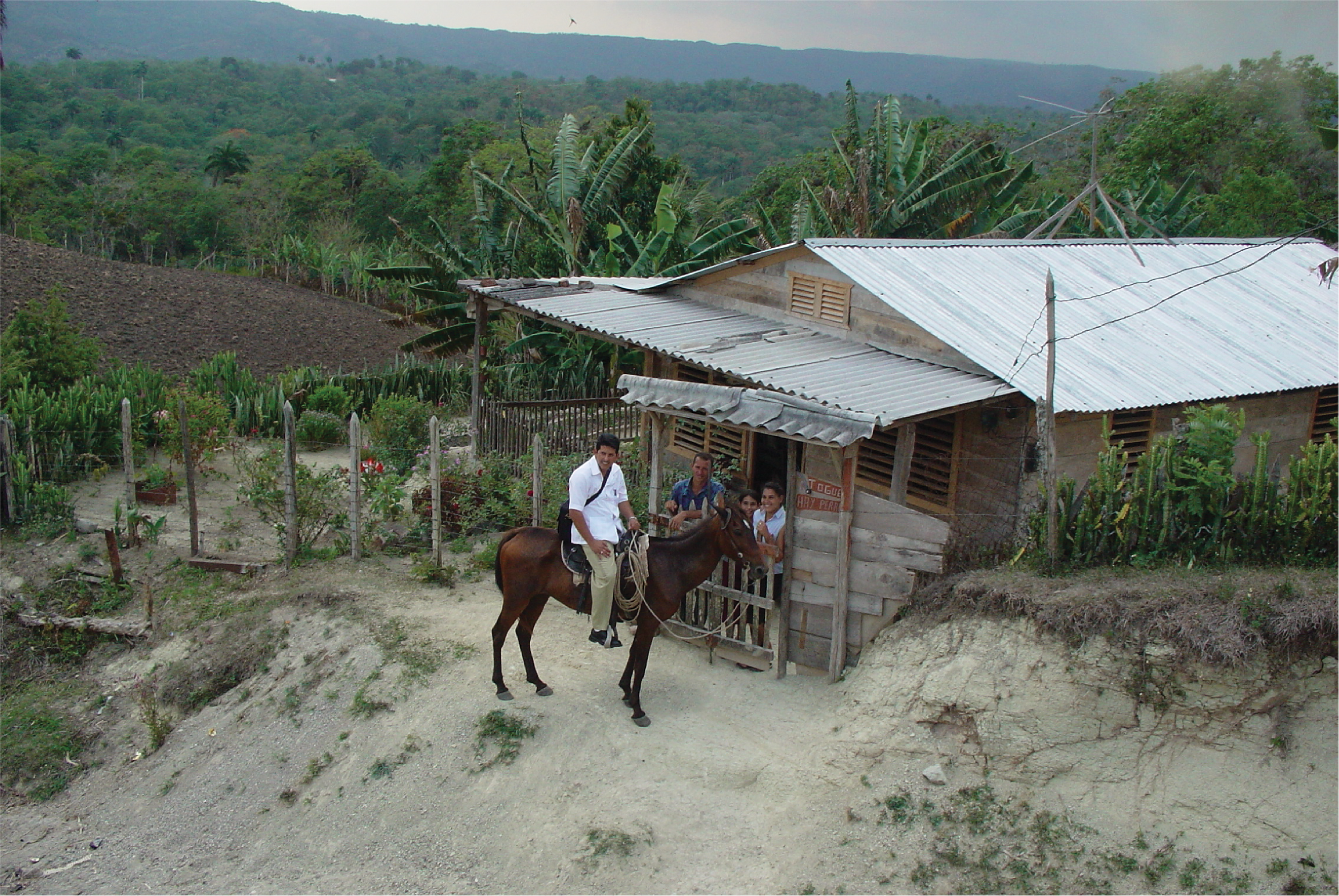
Rugged and remote: even the most rural Cuban communities receive house calls from their primary care physician (2006).
FACT CHECK: HOW HEALTHY ARE CUBANS, REALLY?
Indicator
Cuba
USA
Life expetancy
77.7
79
Infant mortality rate
7.1
6
Neo natal mortality rate
4.1
4
Under 5 mortality rate
8.8
6
Source: Anuario Estadístico de Cuba 2024, Salud Publica y Protección Social
Cuba’s primary health care structure is supported by tertiary institutions, including hospitals, research institutes, and a powerhouse biotechnology sector designed to address specific health problems. The economic and geopolitical isolation caused by U.S. sanctions led Cuba to develop its domestic biotechnology capacity in the 1980s, including a regulatory authority, clinical trial protocols, laboratories, and staffing components to insert these products into the national health system and export them overseas.
NOTABLE BREAKTHROUGHS INCLUDE:
VA-MENGOC-BC (1989): Cuba launches the first effective vaccine against serogroup B meningococcal disease (World Intellectual Property gold medal).
Hib (2004): Science in the service of public health triumphs with the development of the first vaccine against Haemophilus influenzae type B created from synthetic antigens (World Intellectual Property gold medal).
Heberprot-P (2007): Cuba launches novel, unique treatment for advanced diabetic foot ulcers, the cause of 80% of amputations due to diabetes mellitus.
CIMAvax-EGF (2011): Now used in Cuba’s primary system and half a dozen countries, with several trials in the pipeline elsewhere, this is the world’s first therapeutic vaccine developed for non-small-cell lung cancer. It also becomes the first Cuban product approved for trials in the United States; Phase 1 trials are complete, and new trials are scheduled to begin soon.
COVID-19 (2021): Cuba becomes the only country in Latin America to produce its own COVID vaccines, including for children as young as 2 years old – one reason Cuba had higher vaccination rates than the United States.
NeuroEPO (2025): Cuba again applies science to improve population health with this product (currently in Phase II/III double-blind, randomized, placebo-controlled trials) to treat the effects of Alzheimer’s disease. One doctor in Colorado, who is treating dozens of his patients with NeuralCIM (the name for the product overseas), says the medication “will change the world.”
CUBA = Health Care
USA = Sick Care
Health care as a right
Health care as a privilege
Public; all services free
Public/private mix; fee for services
Integrated and intersectoral
Fragmented and isolated
Equitably distributed; national coverage
Distribution disparities: under-and unserved areas
Social determinants as a health factor
Minimizes/ignores systemic and social determinants
Community-based
Service siloes
Prevention-based
Curative-based
Adapts agilely to emerging health threats
Splintered systems delay reaction times/coordination
Science in service to shareholders
Science in service to health
¹Young, Chris. “Cuba Just Changed Cancer Treatment with a $1 Vaccine.”
²Comprehensive Cancer Center. “Cimavax Lung Cancer Vaccine.” Roswell Park Comprehensive Cancer Center, 2024
Adaptability is another hallmark of Cuba’s system: when research shows something isn’t working or there’s a health emergency, changes are made. Cuban biotech’s agile pivot to produce several vaccines during COVID-19 is a good example. This adaptability proves life-saving during crises. For example, since the January 2026 U.S. oil blockade, hospitals, maternity homes, and other health institutions have proactively been installing solar panels to continue providing care.
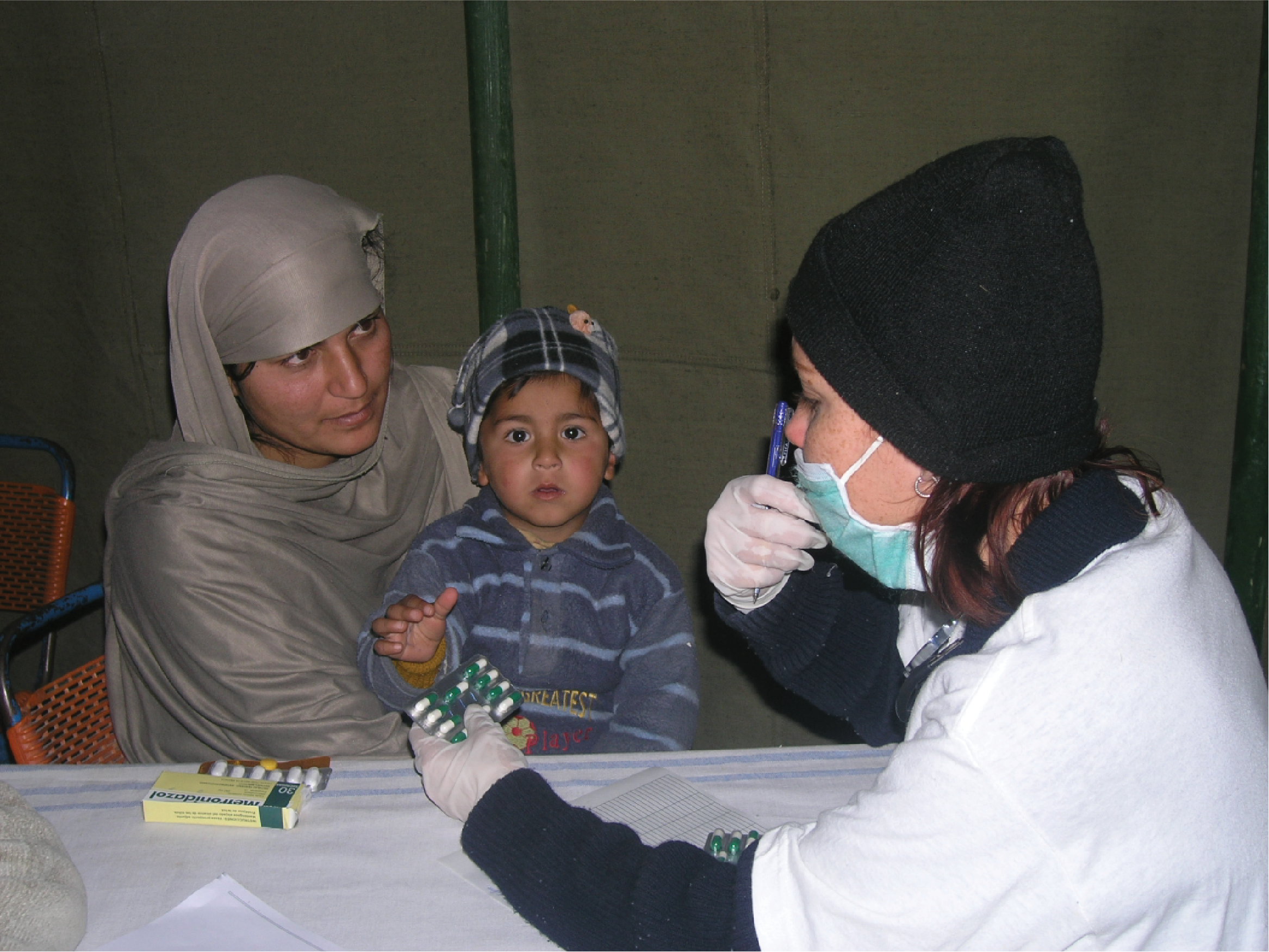
Cuba restaffed with more female doctors in post-quake Pakistan once coordinators learned that Pakistani women are not generally treated by male doctors (2005).
“Homesickness and distance from your family can be heart-wrenching when you’re working abroad. But the Contingent becomes your family. We keep each other strong and [are] ready to move forward.”
– Dr Eduardo Ojeda, Henry Reeve volunteer (2005)
Sowing Medical Internationalism
TIMELINE: GLOBAL IMPACT OF CUBA’S MEDICAL INTERNATIONALISM SINCE 1960
From post-disaster medical services and staffing of public health systems to free medical school for international students and
biotechnology transfer to the Global South, Cuba’s health
internationalism has continued to expand since 1960. These missions share common principles: they go only where invited, prioritize the most vulnerable, operate regardless of the prevailing ideology or politics in the host country, and work alongside local and international aid agencies already on the ground.
1960 → 2026
Across six decades, Cuba deploys 600,000 physicians across 165 countries, performing 17 million surgical interventions and delivering 5.6 million babies
1960
Cuba’s first post-disaster medical relief team rushes to Chile after a 9.5 magnitude earthquake
1963
First bilateral medical staffing accords signed with Algeria
1970
Cuba sends personnel, 6 field hospitals, and provides 106,000 blood donations to earthquake-ravaged Peru
1970 → 2003
Cuba opens and staffs 11 medical schools overseas, from Yemen to Eritrea
1990 → 2011
25,000+ children from Chernobyl treated in Cuba
2003
Barrio Adentro bilateral accord guarantees primary health services to all Venezuelan
1998
The Comprehensive Health Program is founded to help staff public health systems in the Global South
1998
Latin American School of Medicine (ELAM) is founded, offering full 6-year scholarships to students from 122 countries; over 31,000 doctors have since graduated, including 244 U.S. graduates serving across 30 states, with alumni ascending to National Director of Epidemiology (Haiti), Minister of Health (Costa Rica), Minister of Science, Technology & Innovation (Honduras), and Vice Minister of Health (Panama)
2004
Operación Milagro, vision restoration services launched, 12 countries sign up
2005
Servicios Médicos Cubanos is founded to coordinate all medical cooperation modalities
2005 → 2026
Henry Reeve Brigade launches its first missions to Guatemala (floods) and Pakistan (earthquake). Over two decades, the brigade will go on to deploy across 55 countries, save 166,000 lives, conduct 43,900 surgeries, and treat 8 million patients
2010
Henry Reeve Contingent responds to earthquake in Haiti; includes ELAM graduates for the first time
2013 → 2018
Over 11,000 Cuban health professionals volunteer for Mais Médicos in Brazil, a PAHO, Brazil, and Cuba tripartite accord
2015 → 2016
Henry Reeve Contingent is the largest single-country team fighting Ebola in West Africa
2018
Cuban diabetic foot treatment Heberprot-P approved for use in Mexico
2020 → 2022
A total of 58 Henry Reeve teams (3,000 volunteers) fight COVID-19 in 42 countries
2022
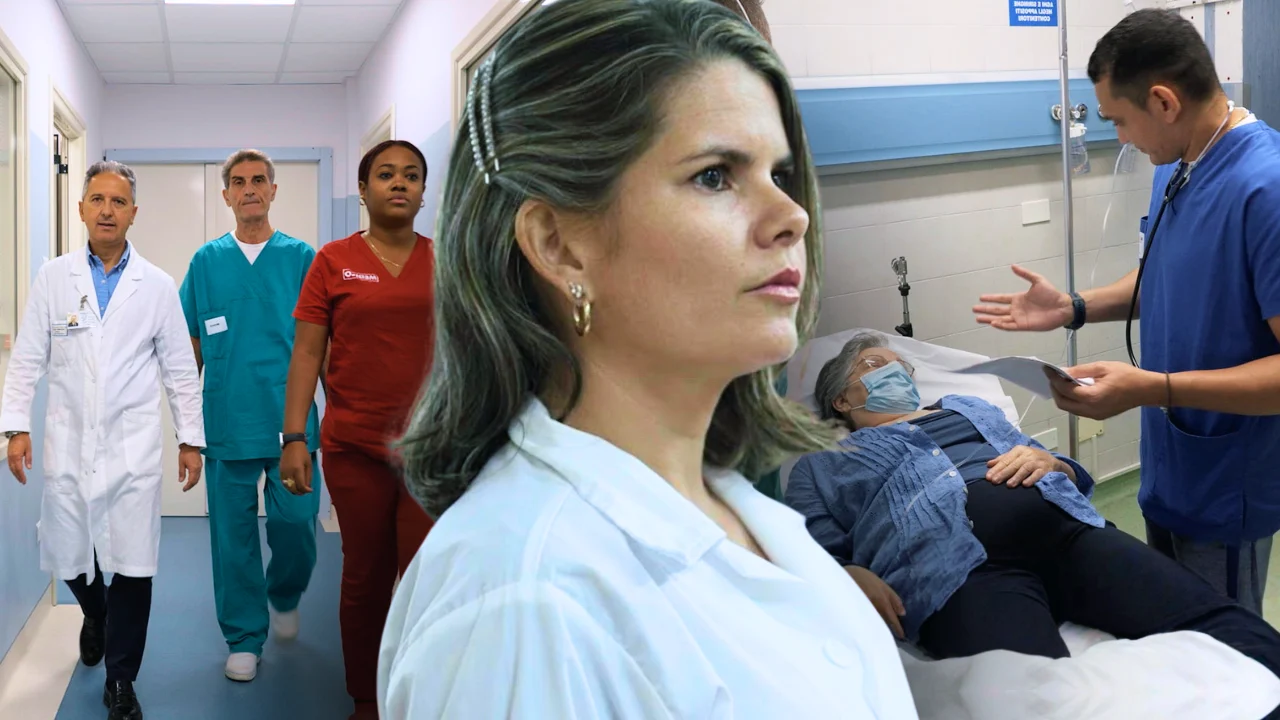
Cuban medical staffing assistance requested by the local government in Calabria, Italy
2023
Henry Reeve Contingent provides medical relief team in post-quake Syria and Turkey
Commitments, as of 2025:
• Number of Cubans serving overseas: 24,800
• Countries with medical cooperation accords: 56
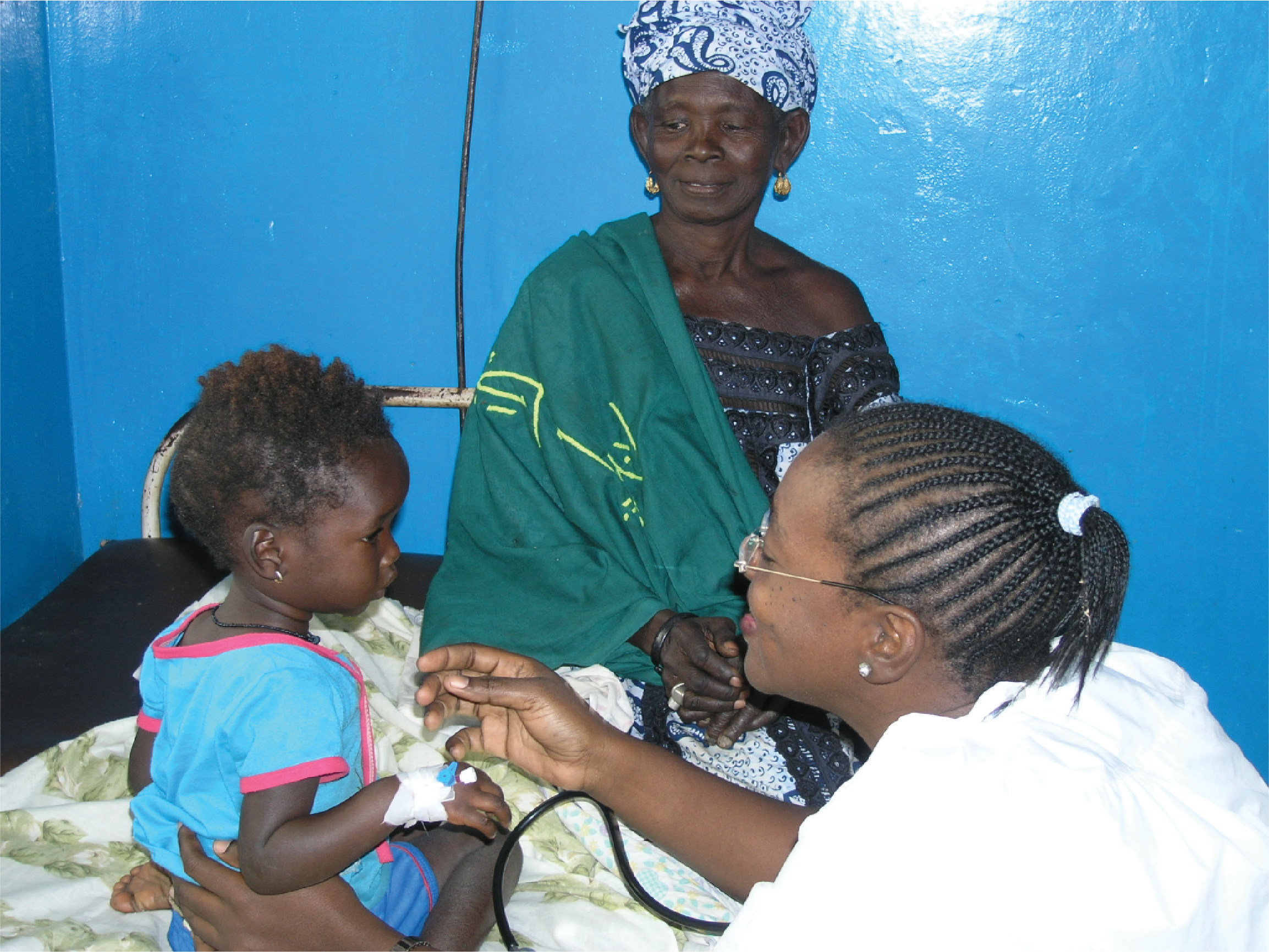
Cuban doctors serve where others won’t, going to where patients need them, like this team in Gambia (2005).
TYPES OF INTERNATIONAL MEDICAL COMMITMENTS
Cuba has refined its international cooperation in both type and substance since its first disaster aid mission in 1960. They tailor and target assistance to each host country’s specific needs. Their mix-and-match model includes aid, medical education, and Cuban biotechnology products.
Global health commitments (1963-2026): staffing of public health institutions, primarily with physicians, nurses, and health technology professionals
Henry Reeve Emergency Medical Contingent (2005-2026): Specialist disaster medical and epidemics team
ELAM (1998-2026): full, six-year medical school scholarships for global youth, including from the U.S.
In May 1960, barely over a year after Fidel Castro and his band of revolutionaries seized control of the government, Cuba dispatched its first internationalist medical mission after the strongest earthquake on record struck Chile. The country’s first bilateral accord in medical cooperation was with Algeria in 1963, which requested doctors, nurses, and dentists to staff their public health system. These first forays into medical solidarity solidified Cuba’s commitment to other nations, motivating them to unleash an overseas medical staffing program in the 1970s, providing assistance to over two dozen countries throughout Africa, Central America, and the Caribbean. Despite intense and consistent pressure from the United States to abandon its international programs, Cuba has held fast and, in fact, doubled down after two monster storms struck the Caribbean and Central America in 1998.
Hurricanes Georges and Mitch delivered a one-two punch that affected millions, flattening infrastructure — including public health centers and hospitals — compromising water sources, and destroying crops. Cuba sent medical brigades, but also sought a long-term solution for regional health sovereignty.
That same year, Cuba launched a free international medical school for academically inclined students from around the world who otherwise couldn’t afford to study medicine. The goal was brain drain in reverse: students from impoverished regions would study medicine in Cuba on full-ride scholarships and then return home to work in their countries’ public health systems. There are no strings attached to the 6-year medical school course at Havana’s Latin American School of Medicine (ELAM), though students are asked to commit to work in underserved areas upon graduation (most do, including those from the United States). Over 31,000 doctors from 122 countries have graduated from ELAM – the world’s largest free medical school. Women comprise over half the student body, and more than 100 ethnicities are represented, with students hailing from Gaza to the Mississippi Delta.
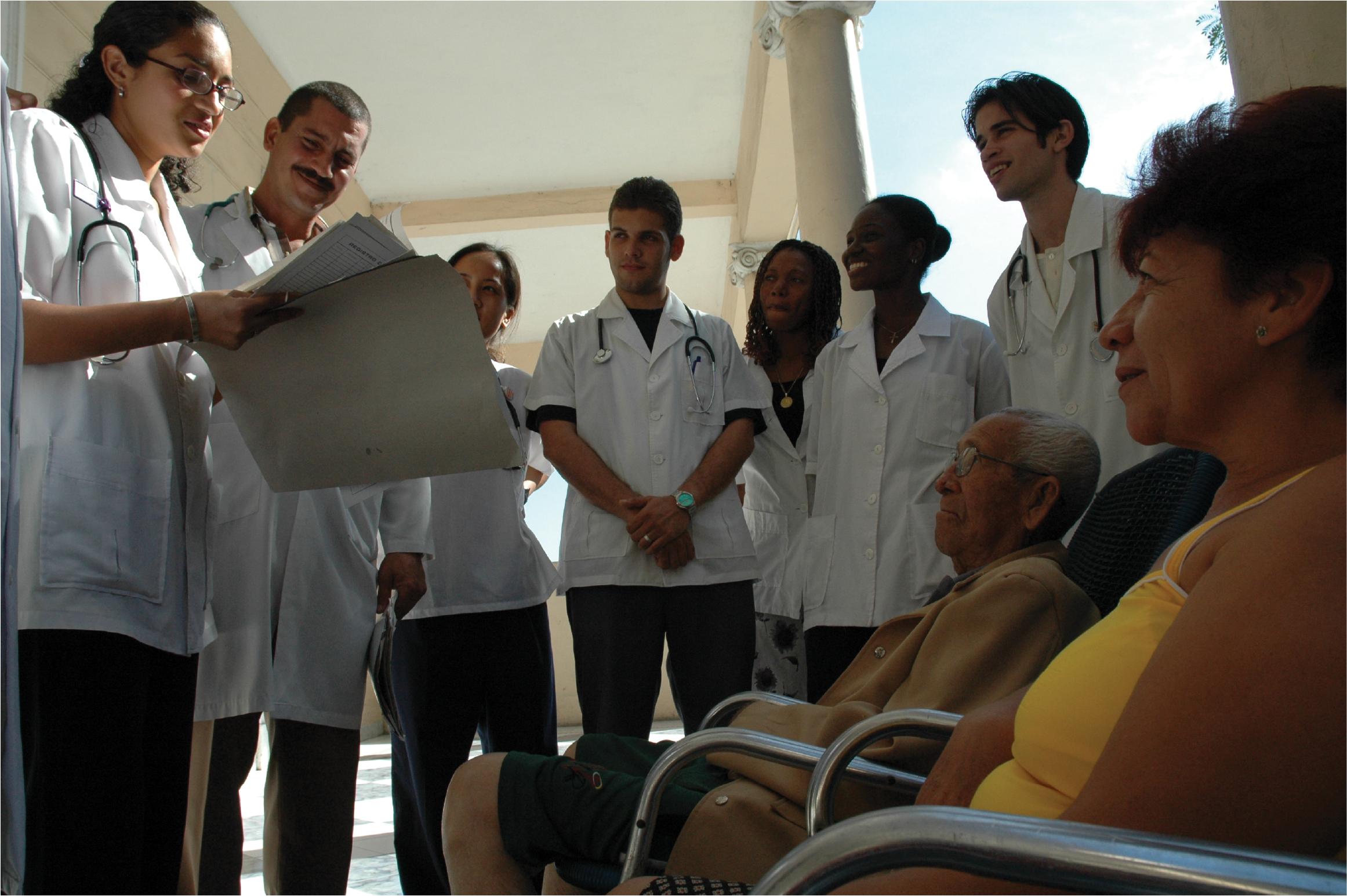
ELAM students begin rotations in their third year of study to gain in-service learning and provide staffing assistance; pictured are the first Cuba-trained U.S. students, class of 2007.
In 2005, when Hurricane Katrina rocked the Gulf States, Cuba formed the Henry Reeve Emergency Medical Contingent. Specially trained and equipped for disaster response, each of the over 1,500 volunteers carried a pair of backpacks with emergency medical supplies and a commitment to help victims of the devastating hurricane. Cuba’s offer of experienced, targeted medical relief was rejected by George W. Bush, leaving the most vulnerable — elders, communities of color, and the poorest of the poor — without emergency care. The offer wasn’t rooted in political optics, spin, or soft diplomacy, but rather in practical experience: located in “Hurricane Alley,” Cuba is a recognized leader in cyclone preparation, response, and recovery, which is why there is minimal loss of human life on the island during storms that kill scores elsewhere. Since Hurricane Katrina, the specialized, rapid response Henry Reeve emergency team has gone on to respond to natural disasters and epidemics throughout the world, including earthquakes, tsunamis, hurricanes, Ebola, and COVID-19. The first team members landed in Turkey and Syria within 48 hours after two massive earthquakes in 2023, for example. Unlike many other emergency aid teams, Cuba’s doesn’t parachute in, provide care, then leave. Instead, they stay longer (usually up to six months) to provide a continuum of care. They also monitor and control for epidemics and provide primary care health interventions.
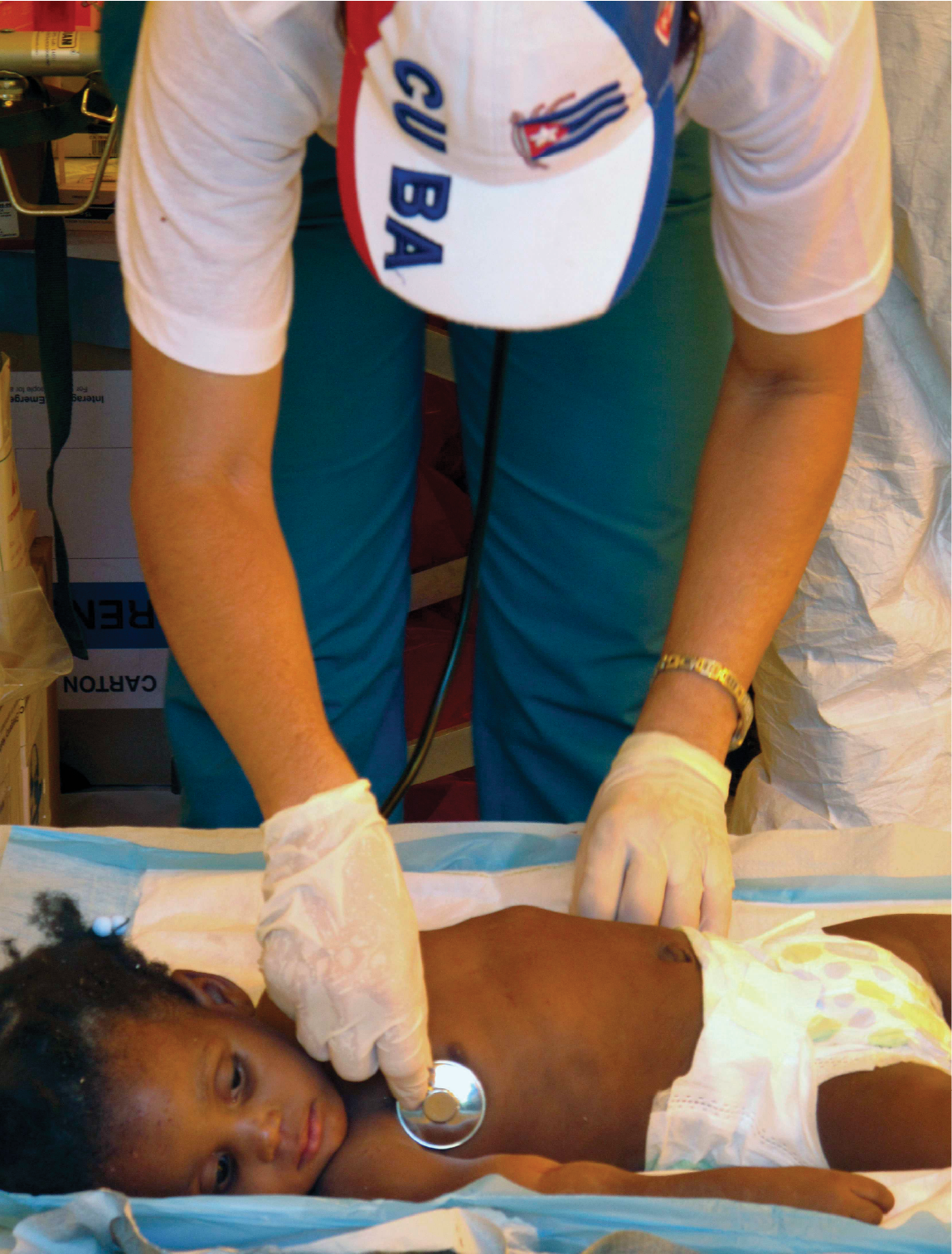
Cuba’s Henry Reeve Emergency Medical Contingent was on the ground in less than 24 hours after the deadly earthquake in Haiti (2010).
Currently, Cuba’s global commitment to health — through long-term staffing support for public health systems, ELAM scholarships, Henry Reeve disaster assistance, and knowledge and technology transfer with international partners — is coordinated by an agency in the Health Ministry called Servicios Medicos Cubanos. All Cuban professionals volunteer for international postings, and the host country pays for those services, split between the Cuban government — principally the health system — and the volunteer. Cuba earns billions of dollars in foreign currency through its medical cooperation, some of which goes to help fund the island’s free public healthcare system. Meanwhile, the doctors and nurses who volunteer for the missions often earn many times more than their salaries in Cuba, which their families continue to receive while they are on the missions. While the financial perks are enticing, health solidarity is a principle that transcends the bottom line. Cuban health professionals still serve in countries that do not have the ability to pay, such as Haiti and Ghana. This part of the narrative — consistent, non-monetized health solidarity for the poorest of the poor — isn’t something U.S. policymakers want publicized. In fact, the U.S. government has publicly slandered the missions and pressured other countries to remove the missions.
FACT CHECK: ARE CUBANS FORCED TO SERVE ABROAD / STEALING JOBS FROM LOCALS?
The U.S. has pursued a well-funded disinformation campaign against Cuba’s global medical programs for decades and enacted policies to choke them out of existence, claiming the programs are “modern slavery.” The facts of how, why, and where these medical professionals serve expose the falsehood of U.S. accusations against the missions.
Key concepts:
Host country solicits assistance detailing the number and mix of specialists, the length of mission (2-3 years for staffing modality), the regions where they’ll be posted, and salary (terms differ according to services requested, size of commitment and other factors, but is split between the health professional and Cuban government for use in the domestic health system).
Cuban health professionals volunteer and are selected via a competitive application process; eligibility is limited to those whose absence won’t affect patients in Cuba.
Volunteers sign a legal contract stipulating terms, including their salary.
Cubans serve in public health installations, where care is free to patients.
How the U.S. government weaponizes Cuba’s pro-poor medical commitments, leaving millions without care:
- Cuban Medical Professional Parole Program (2006-2026) poached Cuban medical professionals with the carrot of immediate residency and transfer to the U.S. if they abandoned their posts.
- The Trump administration revoked visas for officials from countries with Cuban medical cooperation, including Guatemala, Guyana, Honduras, and Jamaica. Several countries nullified the accords, and Cuban personnel withdrew. (2026)
- Pro-Trump Brazilian president Jair Bolsonaro forced the collapse of Mais Médicos as 8,500 Cuban medical professionals serving in Brazil’s most remote regions withdrew.
CUBA’S HEALTH SYSTEM TODAY
“I’m seeing many patients with clinical depression — a condition we didn’t see that frequently before. Now, we are seeing it quite often and are referring people to psychiatric services, which are saturated.”
- Gabriela Rabell, Family Doctor, Havana (2024)
The crisis Cuba is facing cannot be overstated. Eight years of intensified, “maximum pressure” sanctions imposed since Trump’s first administration (and maintained during the Biden presidency) have decimated the economy and punished, sometimes fatally, innocent people. With no oil for electricity, ventilators and dialysis machines were cut out. With no gasoline, produce rots in the countryside before it makes it to cities. Lack of potable water and cooking gas compromises intestinal health and nutrition. The biotech sector, which once supplied 569 of the 857 medicines approved for use in the national health system, is hobbled — even common medicines historically produced in Cuba, like ibuprofen, are unavailable. Many indicators measuring the health of a nation, like infant mortality, are on the rise, as well. As recently as 2021, there were 5 deaths per 1,000 live births nationwide. In 2025, this rate almost doubled, to 9.9 per 1,000 live births. Stress and anxiety are indiscriminate, affecting every Cuban through sleep deprivation, hunger, and their inability to procure life-saving medicines and treatments.
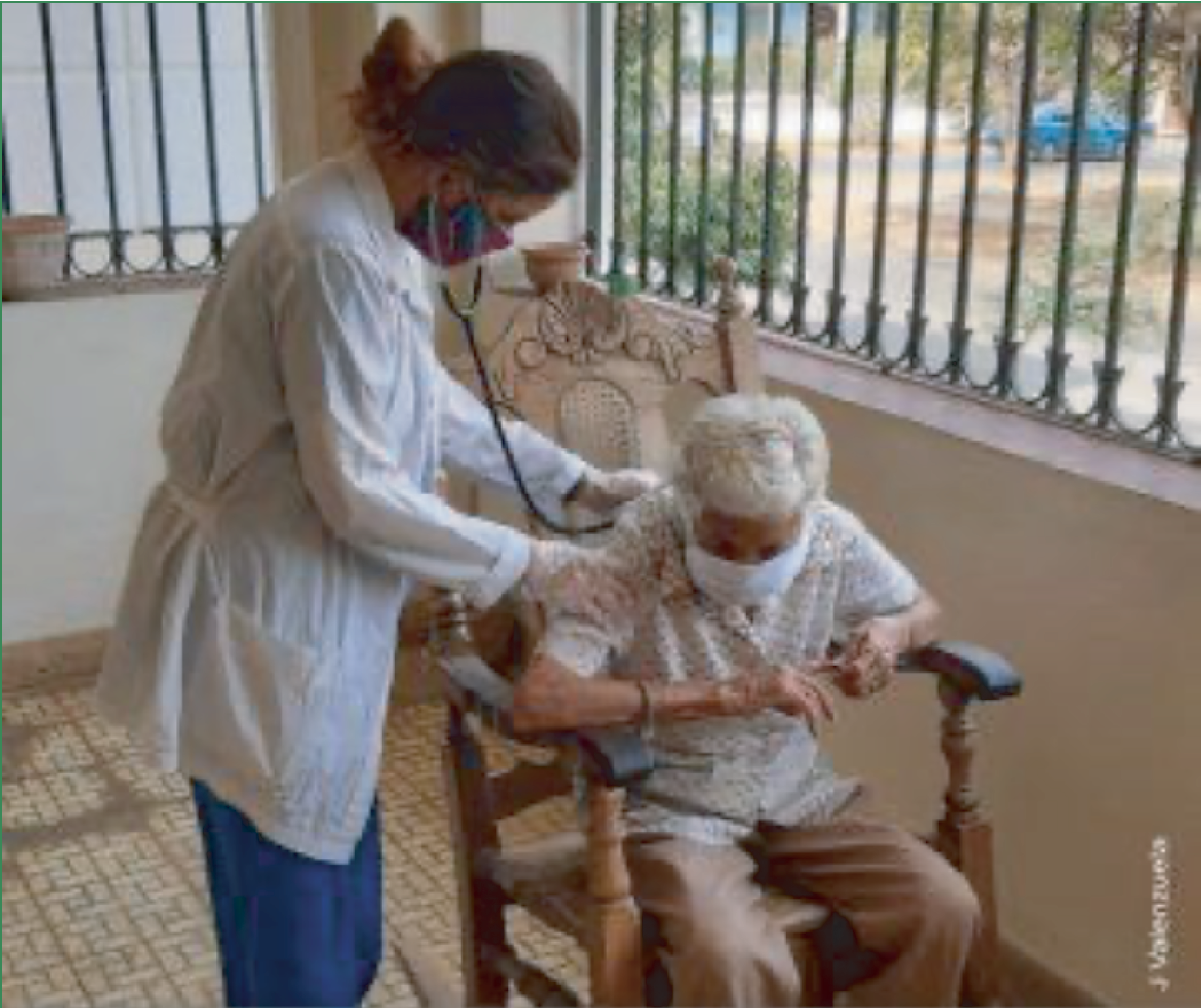
Vulnerable groups, including the elderly, are the hardest hit by health system scarcity (2022).
The declining health and quality of life on the island have resulted in an estimated 1 million Cubans—including health professionals—emigrating to other countries, often risking their lives to do so. Those who aren’t leaving the country are leaving the medical field, often reluctantly, to work in the private sector to earn more money. This creates pressure on those who remain, increases wait times to see physicians and specialists, and delays diagnostic procedures, surgeries, chemotherapy, and other life-extending interventions. ELAM students and graduates provide some staffing relief, but this is insufficient. Meanwhile, patients, who are accustomed to a well-staffed and stocked system, can grow resentful of having to see a foreign doctor (albeit Cuban-trained).
It is important to note that Cuba rebuilt its health system, implemented a multi-faceted medical cooperation model, and established a world-renowned biotechnology sector, while under unrelenting US sanctions. Strengthened under various US administrations, these penalize third countries trading with Cuba, limit Cuba’s access to international financial institutions, and curtail scientific exchange between US and Cuban scientists. Sanctions affect the health of US citizens as well, since they prevent US patients from traveling to Cuba for unique, life-saving, and extended medical treatments.
Burnout is real, as is emotional stress caused by the dissolution of support systems when friends, family, and colleagues emigrate. Doctors lament that they are able to diagnose patients’ conditions, but are unable to treat them due to a lack of medicines and basic supplies. Motivation among health workers is declining, and an expanding black market for medications deepens inequalities. Epidemiological vigilance and control are suffering, and vector-borne diseases, like dengue and chikungunya, are on the rise. Many Cubans delay going to the doctor or hospital, fearing they won’t be treated or will contract something worse around other sick patients – another factor contributing to mortality and morbidity on the island. The health landscape in Cuba, once a cause for commendation, is now a cause for concern.
Cuban health professionals are responsible for elevating the health status of people around the world and at home – it is incumbent upon the world to not comply with a paradigm that denies the right to health and well-being.
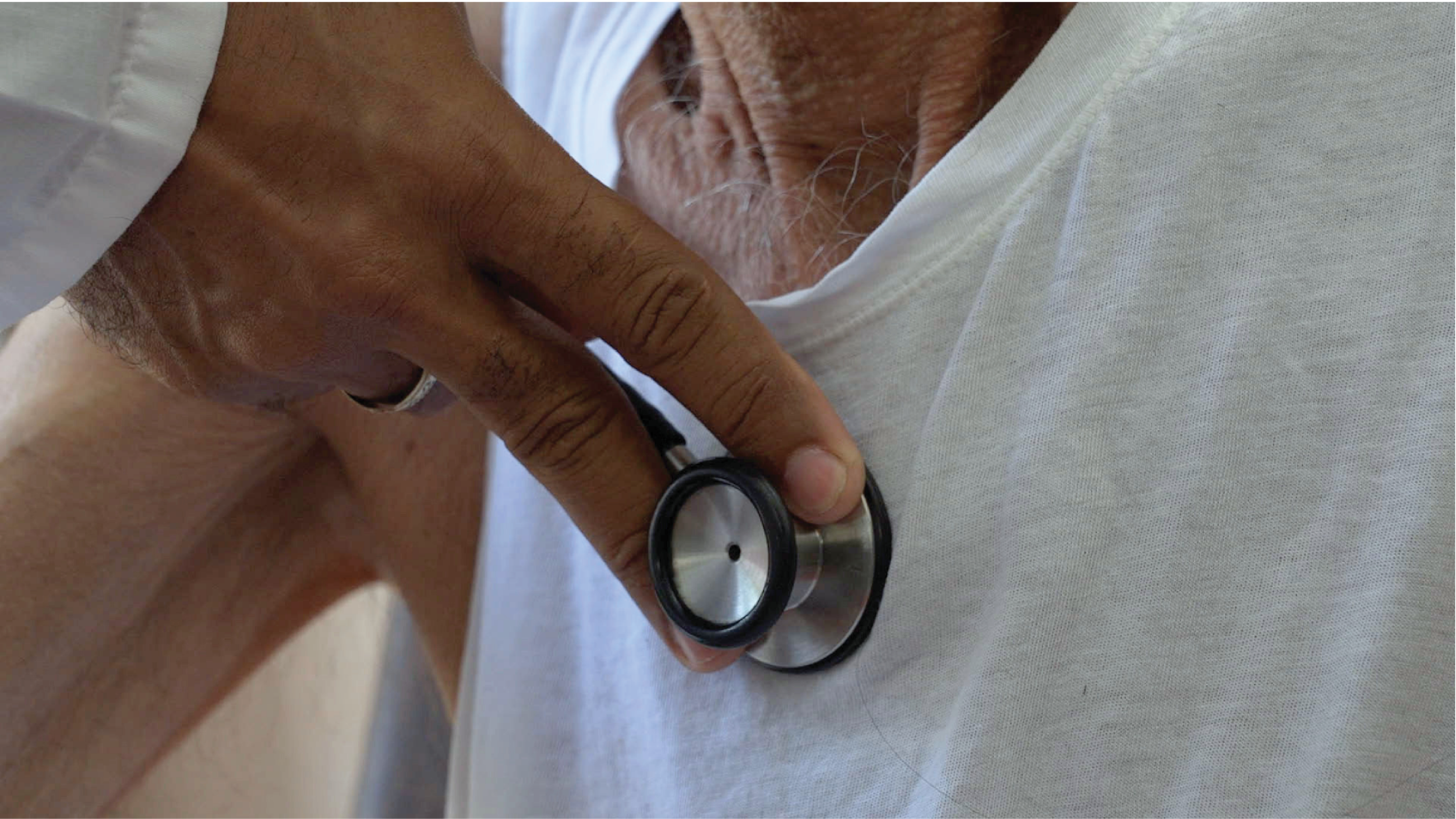
Health Cooperation Against the Odds
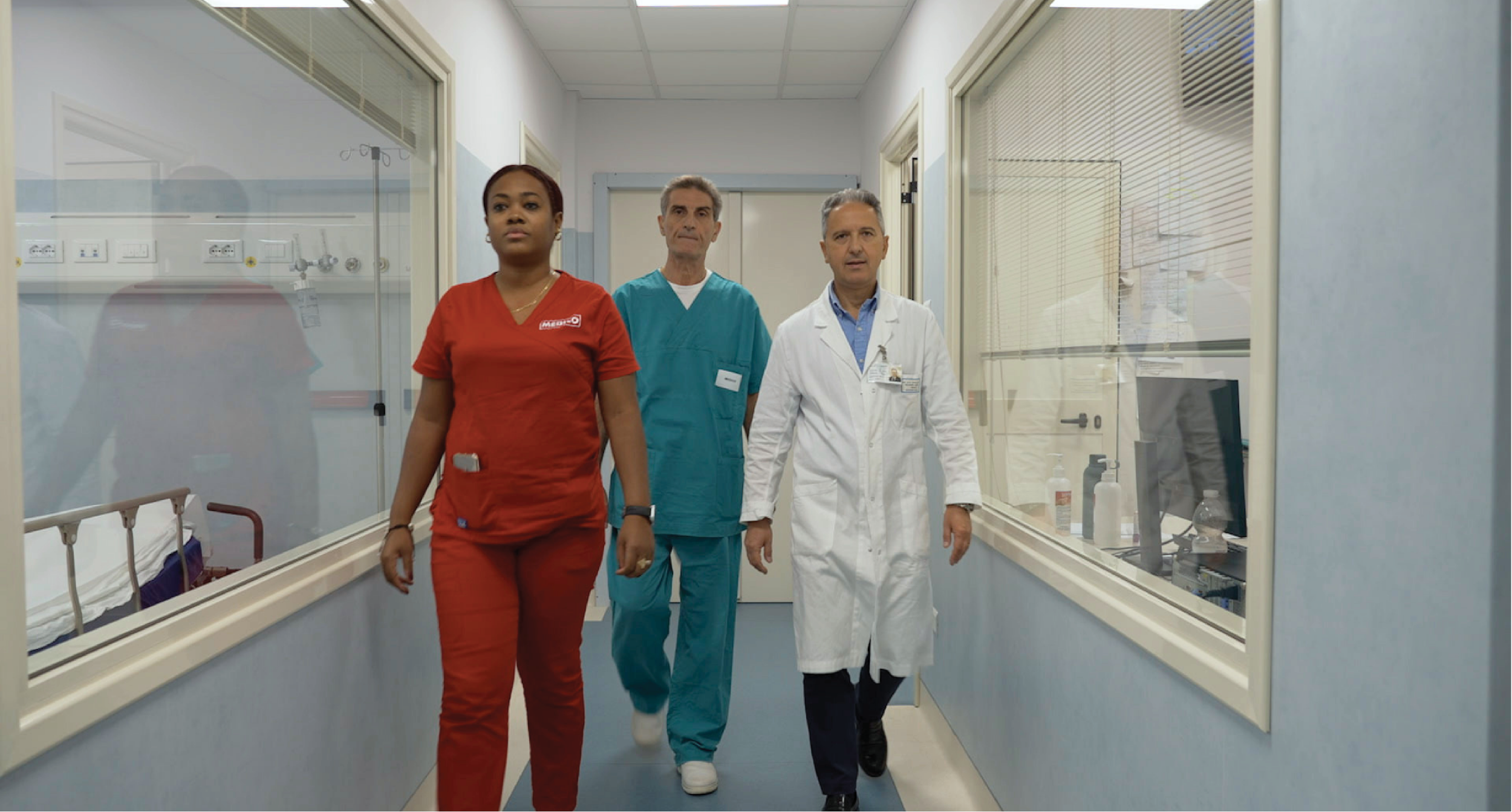
In early 2026, several countries withdrew from Cuban medical accords under threats from Washington, abandoning millions to their fates. But not every country has caved under U.S. pressure. One of the targets of the Trump administration was the local government of Calabria, a poor region of Italy that has hosted a Cuban medical mission since 2022. Chargé d’Affaires Mike Hammer, the top U.S. diplomat in Cuba, traveled from Havana to Calabria but failed to convince its right-wing president, Roberto Occhiuto, to kick out the Cuban doctors.
Needless to say, there is no indication Hammer met with any of the Cuban doctors in Calabria. Belly of the Beast did. In the documentary From Cuba to Calabria, Belly of the Beast’s filmmakers speak with the Cuban doctors serving on the mission as well as their Italian colleagues and patients. The doctors insist they are not victims of “forced labor,” but voluntarily chose to go to Calabria in part because their salaries there are many times higher than in Cuba. In the film, some Italian authorities criticize Cuba’s medical assistance, but not for their capabilities as health professionals or standards of care.
Instead, they warn about culture and language differences. This argument ignores the fact that Cuban international medical volunteers receive specific language and culture training before every posting. For their part, the people of Calabria received the Cuban doctors with open arms.
It wasn’t the first time Cuban doctors had gone on a mission to Italy. In March 2020, a Henry Reeve Medical brigade, more than 50-strong, risked their lives in Lombardy, Italy, fighting COVID-19, almost entirely in red zones. Cuba’s medical solidarity won the hearts of Italians and earned a Nobel Peace Prize nomination for the Henry Reeve team. The mission was widely reported in Cuba and across Europe but ignored by the U.S. media.
Over 60 countries testified before the UN Human Rights Commission in 2025 supporting Cuba’s medical internationalism, presenting data confirming the millions of lives saved by these health professionals around the world. But since Trump assumed office again in 2025, the U.S. government has intensified its pressure campaign on other countries, including a 2026 law that would impose sanctions on government officials from other countries hosting Cuban doctors.
Ten countries have already caved, resulting in a deep and devastating ripple effect on the most vulnerable and the poorest of the poor, who have been left without essential health services. Since a portion of international mission earnings is earmarked for Cuba’s universal health system, hostile U.S. policies also affect the health and well-being of 10 million Cubans. Finally, the health professionals previously serving abroad, as well as their families, also suffer when the high salaries they earn abroad are cut off, exacerbating the economic conditions for them and their families on the island.
This begs the question: are the bullies interested in human rights or just afraid of Cuba’s good example, where universal health care, scientific training, and empathetic professionals offer an alternative to for-profit systems?
Resources For Further Study
Belly of the Beast. “From Cuba to Calabria” | 13 June 2026
Belly of the Beast. “Why Students From the U.S. and Around the World Study Medicine in Cuba” | 8 June 2026
Belly of the Beast. “Teresita’s Dream” | 17 May 2026
Belly of the Beast. “U.S. Citizens in Cuba for New Breakthrough Alzheimer’s Treatment” | 27 Feb. 2026
Belly of the Beast. “Healthcare under Sanction| People & Power” | 30 Oct. 2025
Belly of the Beast. “From Gaza to Cuba” | 7 Oct. 2024
Belly of the Beast. “Why This Ghanaian-American Doctor Trained in Cuba” | 2 Jan. 2024
Belly of the Beast. “Why U.S. Youth Are Studying Medicine in Cuba” | 14 Dec. 2023
Belly of the Beast. “War on Cuba: Episode 3” | 24 Oct. 2020
Cuban Registry of Clinical Trials Database
Gorry, Conner. “Dispatches from Haiti, 2010.” MEDICC Review, vol. 20, no. 1, 10 Feb. 2018