
Interviews
-

Code Pink Co-Founder Responds to U.S. Investigation
Medea Benjamin traveled last march to Cuba with medicine and food for children's hospitals. The U.S. Treasury Department wanted to know everything about it. “This request for information is really just a form of intimidation, she said.
-
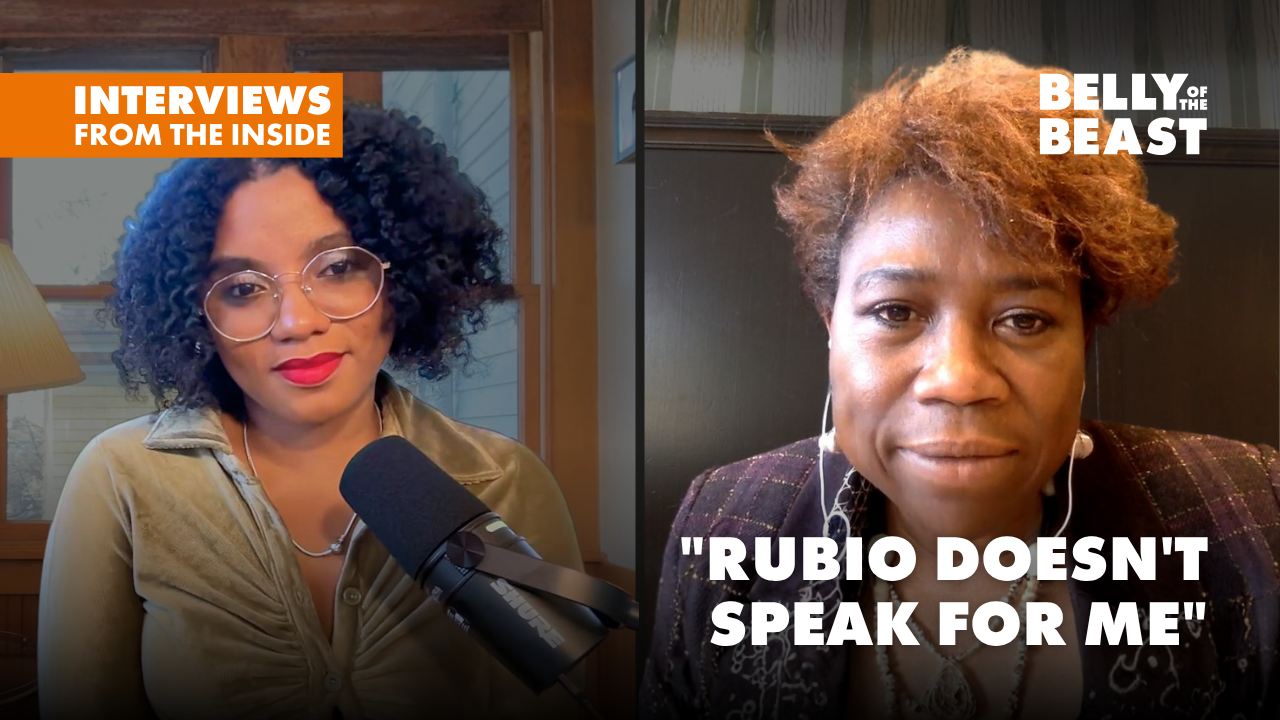
Gloria Caballero’s Clear Position on Cuba: “Sanctions Hit Black Cubans Hardest”
Dr. Gloria Caballero, a Cuban-American academic and U.S. politician, speaks in this interview about the U.S. blockade, race, and why Rubio doesn't speak for her as a Cuban. "They don't speak on my behalf."
-
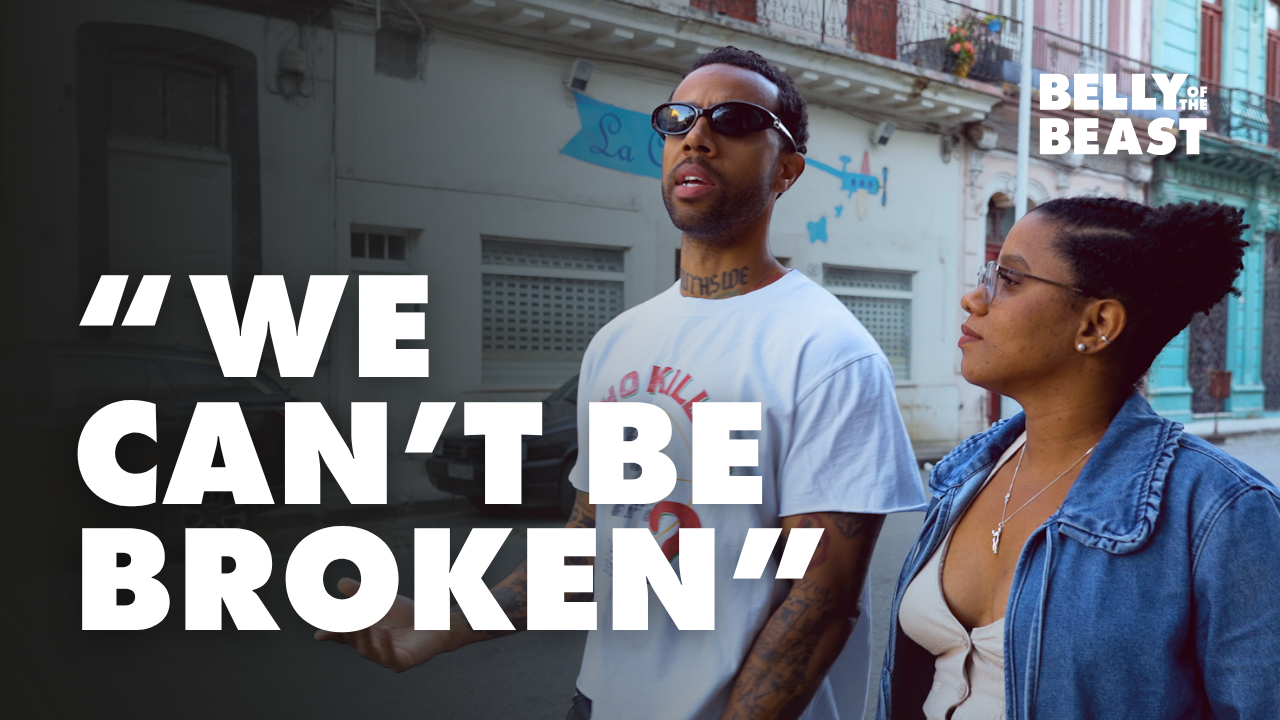
Vic Mensa in Cuba: Black Culture, Blackouts and Resistance
Vic Mensa came to Cuba with the Nuestra América Convoy, bringing humanitarian aid to the island. Walking in Old Havana, he didn't see a foreign country. He saw Chicago. Ghana. Family. “What I like the most about this experience is seeing that there are Black people on this planet who can't be broken,” he said.
-

Renowned Violinist Yilian Cañizares Made the World Listen. Now She Plays for Cuba
From her Cuban roots to the international jazz stage, Yilian Cañizares shares her passion for music and improvisation as she returns to Havana for Jazz Plaza. Every note reflects her story, African roots and her feminine vision of the violin.
-
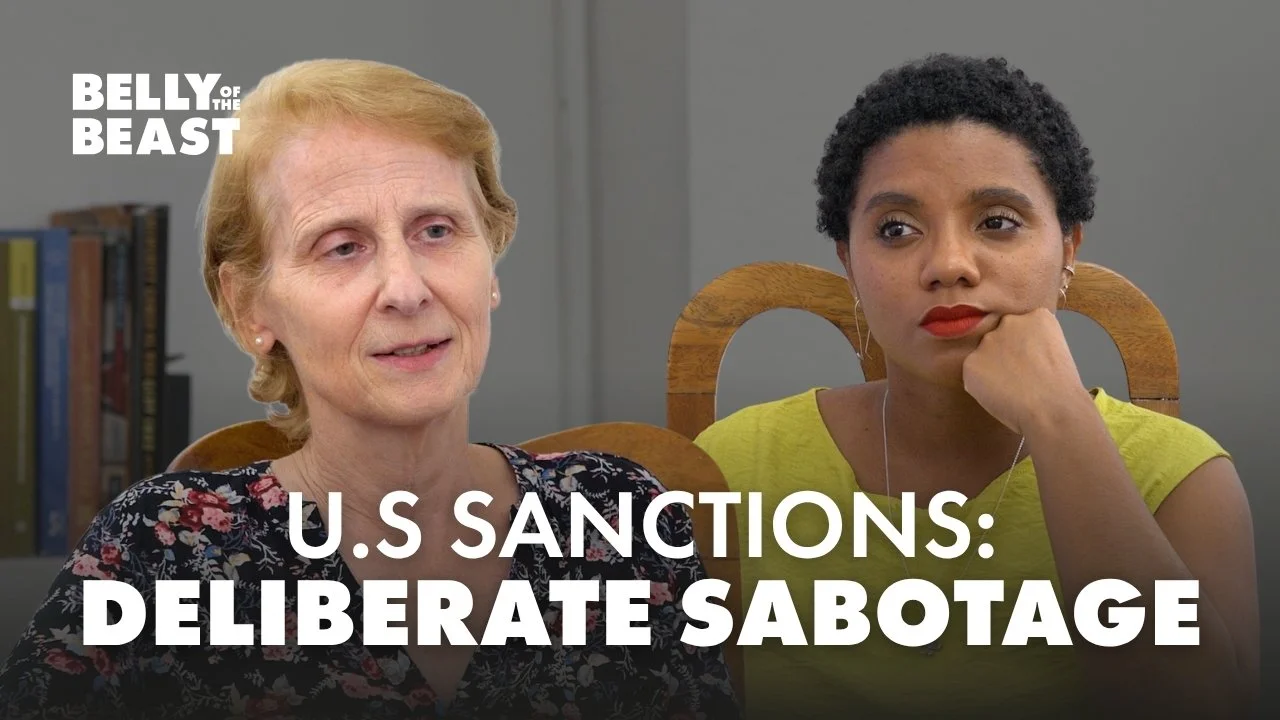
What Is Driving Cuba’s Economic Crisis? Economist Emily Morris Explains
What is driving Cuba’s economic crisis? A deep look at shortages, inflation, blackouts, migration, and the impact of U.S. sanctions on daily life.
-
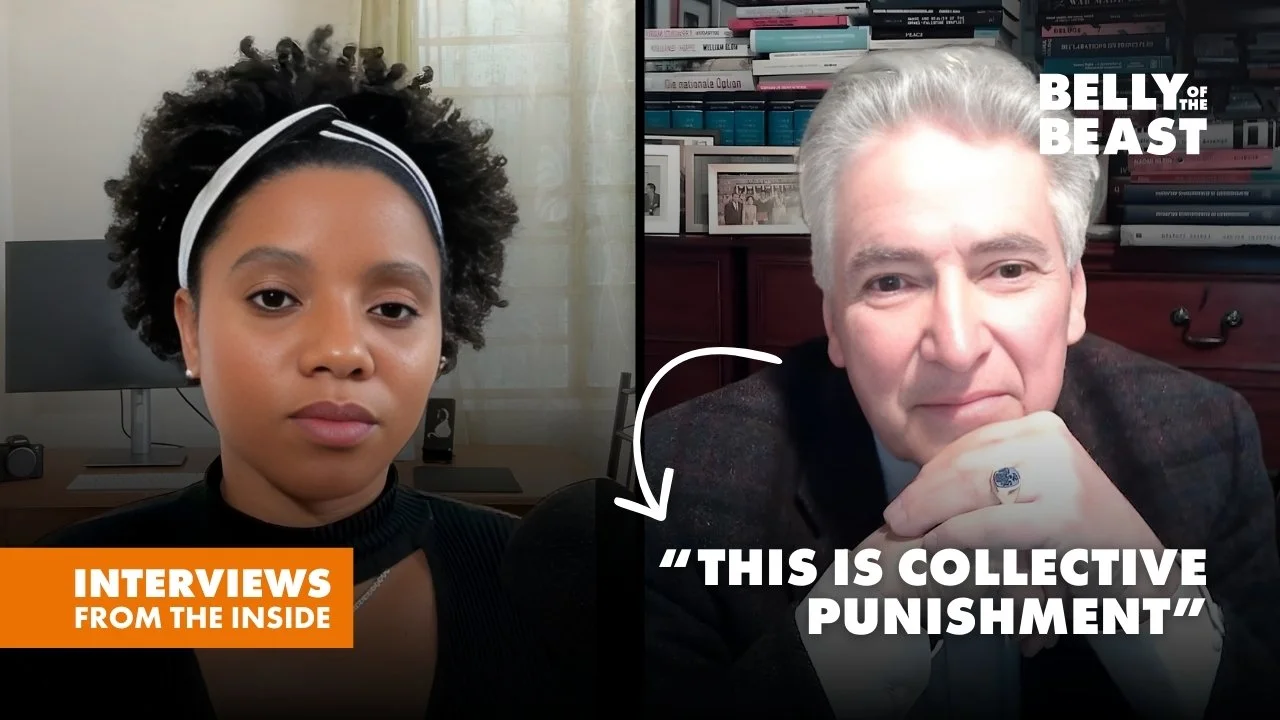
Why U.S. Policy Toward Cuba Violates International Law
International law expert Alfred de Zayas warns that the U.S. government’s economic war on Cuba is “an assault on the UN Charter, on international law, and on civilization itself.”
-
Cuban Medication Offers Hope for Millions, U.S. Policy Blinds Us - Dr Bill Blanchet
Cuba’s NeuroEPO Alzheimer’s drug shows promise, but U.S. policy limits access, raising concerns over healthcare, science, and equity.
-
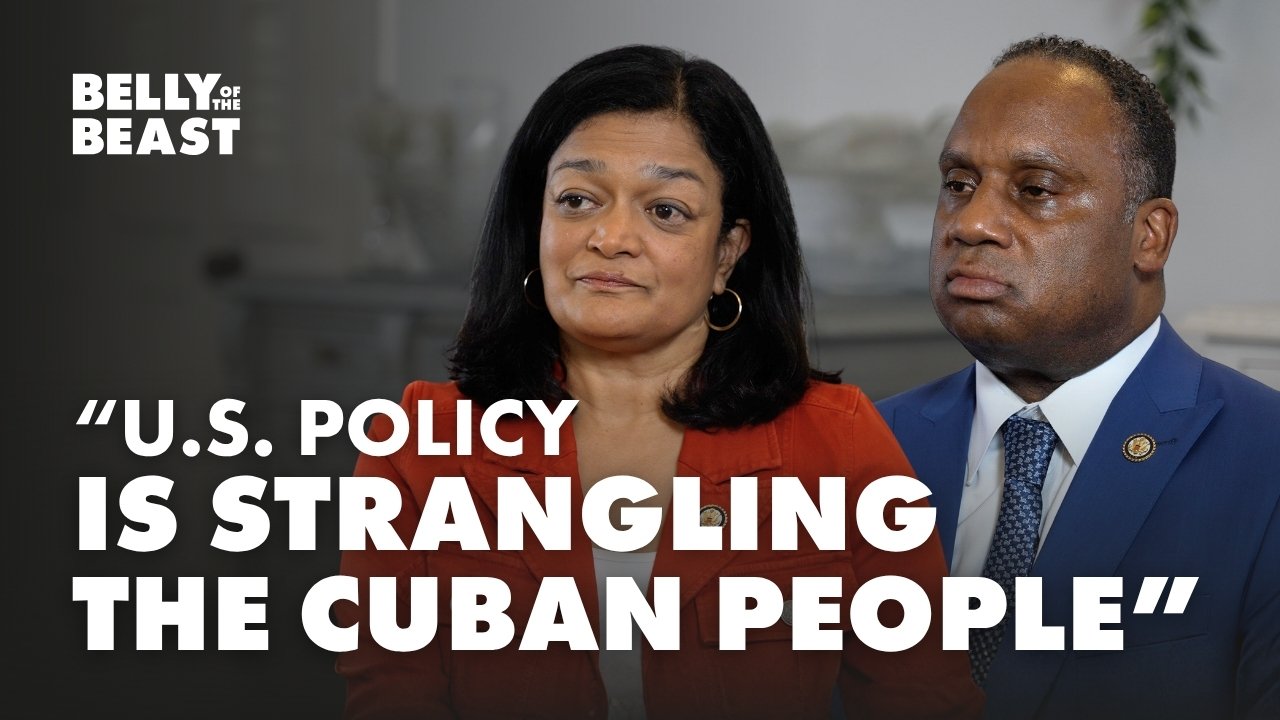
U.S. Lawmakers Pramila Jayapal & Jonathan Jackson Speak in Cuba
U.S. lawmakers Rep. Pramila Jayapal and Rep. Jonathan Jackson spoke with Belly of the Beast in an exclusive interview during their visit to Cuba. They said the U.S. blockade was an “act of war” that is causing a humanitarian crisis.
-
Niki Franco on Cuba: The U.S. Blockade Isn’t Abstract
Niki Franco, Puerto Rican activist, traveled with the Nuestra América Convoy to Cuba to deliver aid and document daily life. She urges U.S. citizens to understand the real impact of their government’s policies on millions of Cubans.
-
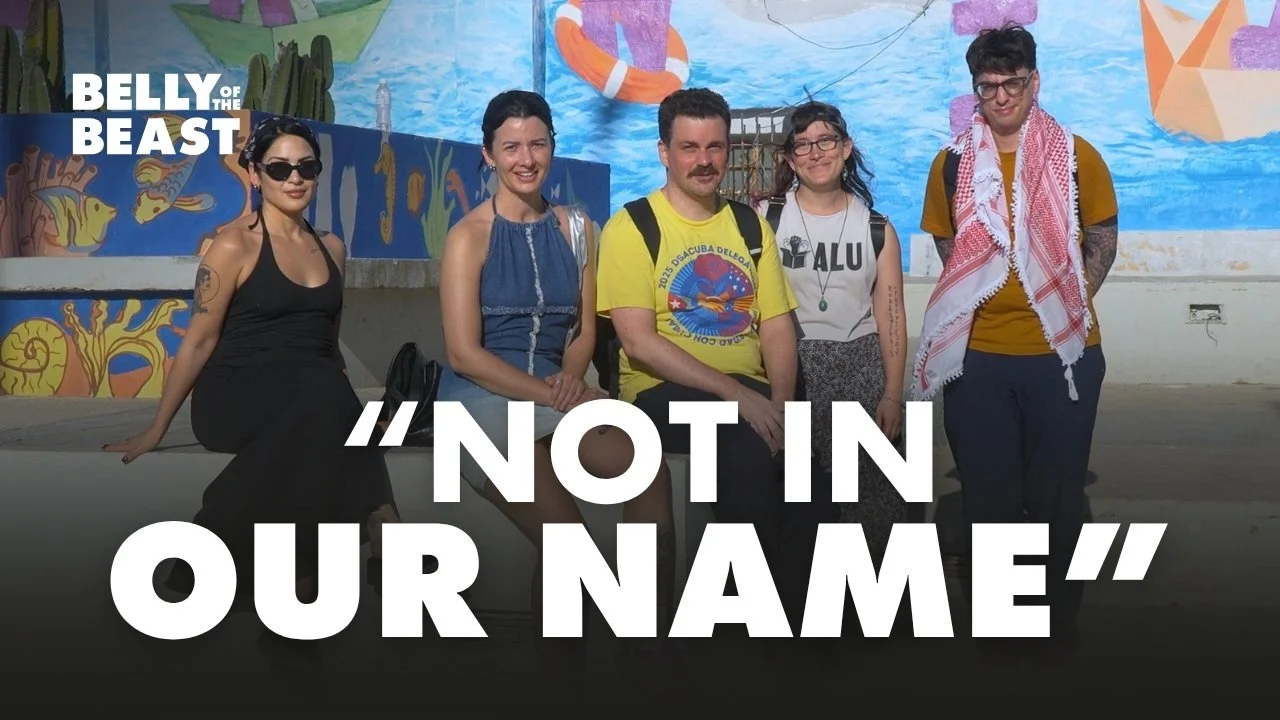
From Miami to Havana: Why This Cuban American Is Speaking Out
“Not in our name,” says Danny Valdes, a Cuban American organizer who recently visited the island to bring humanitarian aid and rejects the hard-liner policies imposed by politicians like Marco Rubio.
-
Colombian Lawmaker: “What They’re Doing to Cuba Is a Crime”
Colombian Congresswoman María Fernanda Carrascal argues that Cuba’s crisis is not about charity, but about sovereignty, pressure and the right to survive. Carrascal calls for stronger positions across Latin America as pressure on Cuba intensifies.
-
Jeremy Corbyn: Why I Keep Standing Up for Cuba Despite the Political Cost
Jeremy Corbyn traveled to Havana as part of an international solidarity delegation from Nuestra América Convoy and stated that the crisis in Cuba is the direct result of the blockade, not the Cuban government. “It's time for all of us to step up and show solidarity with Cuba,” said Corbyn.
-
Why Washington Keeps Doubling Down on a Broken Cuba Policy
For decades, U.S. policy toward Cuba has been based on economic war. Mikael Wolfe, director of Stanford University’s Cuba Observatory, explains why that strategy hasn’t worked and why Washington keeps doubling down anyway.
-
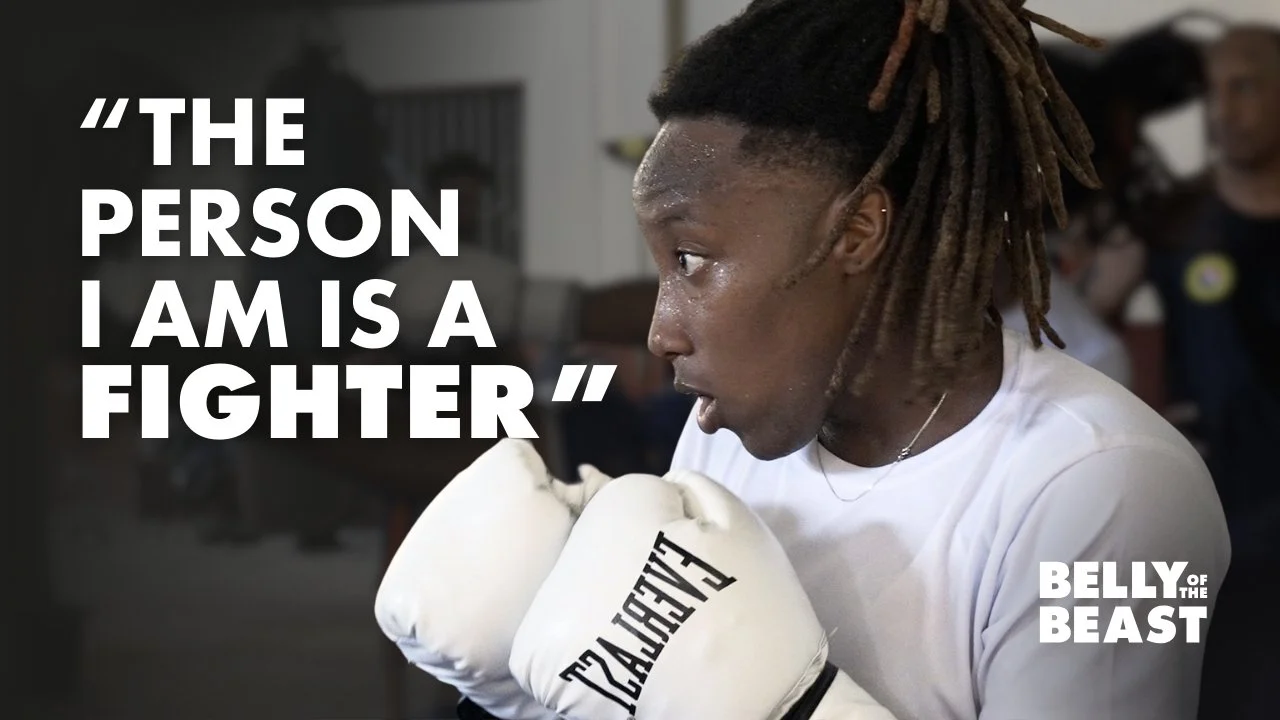
Ely Malik: Meet Cuba’s First Officially Recognized Trans Athlete
Ely Malik Reyes trained for months without knowing if he would be allowed to compete. In June 2024, he entered the ring in the male 60/65-kilogram Sanda kickboxing division, becoming the only trans athlete officially recognized in Cuban sports.
-
The U.S.–Cuba Had a Deal — But Trump Tore It Apart
Cuba had a deal. Trump blew it up. 10 years after Obama's historic visit to Havana, a new wave of sanctions is hitting the island hard. Peter Kornbluh, expert in U.S-Cuba relations, explains how it all fell apart — and what comes next.
-
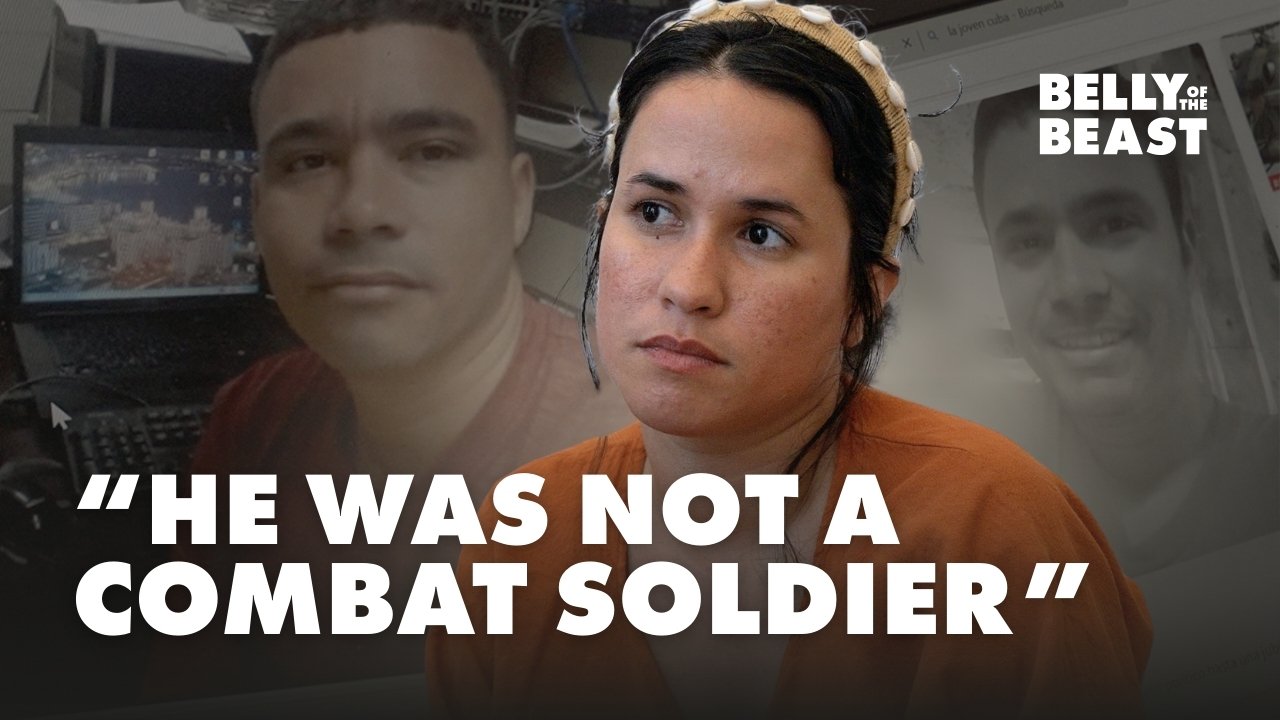
A Cuban Cryptographer Killed in U.S. Attacks on Venezuela: A Friend’s Testimony
Yunio was a Cuban communications specialist, cryptographer and a father of three. Sent to Venezuela on an internationalist mission, no one imagined he would be killed on January 3. Journalist Claudia Rafaela Ortiz remembers her friend.
-

They Separated Heidy Sánchez from Her Baby, Then Put Her on a Plane to Cuba
Cuban-born Heidy Sánchez spent five years in the U.S., worked and paid her taxes, and never committed a crime. She was detained last month by ICE agents and deported to Cuba, separated from her infant daughter, whom she was breastfeeding.
-

Meet Cuba’s Very Own Celebrity Chef: Luis Ramón Batlle
As part of the 10-year anniversary of Barack Obama’s historic opening to Cuba, journey inside the kitchen of celebrity chef Luis Ramón Batlle, an ambassador for Cuban cuisine. While U.S. sanctions impact the availability and cost of food, Chef Batlle says there is a silver lining: forcing creativity. “You become a magician, an inventor,” he says.
-
Interview with Carlos Gutierrez: Miami is not the U.S.
Carlos Gutierrez is a Cuban-American business leader who was CEO of Kellogg and Secretary of Commerce during the Bush administration. A former Republican hardliner, he did a 180 and helped push for engagement with Cuba once Obama normalized relations with the island. Last year, Belly of the Beast journalist Liz Oliva Fernández interviewed Gutierrez during her visit to Washington, D.C.
-

Interview with Marnia Briones: Your Trash, Marnia’s Treasure
In Cuba, scarcity breeds creativity. Marnia Briones transforms everyday objects into stunning works of art.
Belly of the Beast journalist Liz Oliva Fernández spoke with Marnia about her journey as a self-taught artist and her commitment to recycling and sustainability in Cuba.
-

Interview with Jeffrey Sachs: U.S. Sanctions' Impact on Cuba's Economy
Belly of the Beast journalist Liz Oliva Fernández interviewed world-renowned economist and Columbia University professor Jeffrey Sachs after his recent visit to Havana.
Sachs analyzes the impact U.S. sanctions have on Cuba's economy and explains how the embargo, or bloqueo, is extraterritorial.
-

Interview with Dayron Varona: A Cuban Baseball Odyssey
Dayron Varona made an incredible full-circle journey, from Cuban defector to a symbol of how normalizing relations between Cuba and the U.S. could bring the two countries closer together.
Belly of the Beast journalist Liz Oliva Fernández sat down with Varona to talk about his career, Cuba and how sanctions are an obstacle to Cuban baseball players playing in Major League Baseball. ⚾
-

Interview with Fulton Armstrong: The Truth Behind “China Spy Bases”
Major media outlets have been reporting about “China spy bases” in Cuba. Their only source has been anonymous U.S. officials.
Belly of the Beast journalist Liz Oliva Fernández interviewed a former CIA analyst, Fulton Armstrong, to get his perspective on the claims that China is using Cuba to spy on the United States.
-

Interview with Hal Klepak: Did Russian Warships in Cuba Represent a Threat to the U.S.?
Following the visit to Havana of Russian warships, Belly of the Beast journalist Liz Oliva Fernández interviewed Hal Klepak, Professor Emeritus of military history at the Royal Military College of Canada.
Klepak, who served as an advisor to the foreign and defense ministers of Canada, clarifies whether the warships represented a threat to the United States, and explains how the U.S. government’s economic war against Cuba has pushed the island closer to Russia.
-
Interview with William LeoGrande: The U.S.' Economic War Against Cuba
William LeoGrande, one of the foremost experts on U.S.-Cuba relations, discusses the U.S.’s ongoing economic war against Cuba with Belly of the Beast journalist Liz Oliva Fernández in Washington D.C.
LeoGrande explains the reason behind Biden's labeling of Cuba as a state sponsor of terrorism, shows why changing Cuba policy would not affect Democrats in this year's elections and breaks down how U.S. sanctions have made the human rights situation in Cuba worse.
-

Exclusive Interview with Alice Walker
Author and activist Alice Walker sat down with Belly of the Beast journalist/producer Liz Oliva Fernández in Havana to talk about Cuba, the U.S. embargo, Gaza and more.
The author of The Color Purple has been vocal about the impact of U.S. sanctions on the Cuban people for decades, describing it as a crime. She also talks about how difficult it is for her to live in the United States: "It's like trying to get grass to grow on concrete.”
-

Interview with Dr. Samira Addrey
Dr. Samira Addrey graduated from Havana's Latin American School of Medicine with the dream of becoming a revolutionary doctor.
The Ghanaian-American physician now helps other low-income youth study medicine in Cuba through IFCO/Pastors for Peace. Belly of the Beast journalist Liz Oliva Fernández caught up with Dr. Addrey in Washington D.C. to talk about what she learned studying on the island for seven years.
-

Interview with Rep. Jim McGovern: Our Cuba Policy is An "Embarrassment"
U.S. policy toward Cuba is "an embarrassment and a miserable failure," said Rep. Jim McGovern (D-MA) in an exclusive interview with Belly of the Beast journalist Liz Oliva Fernández.
The 13-term House Democratic leader said he has asked President Joe Biden and Secretary of State Antony Blinken to lift Cuba’s designation as a state sponsor of terrorism, calling it “just political.”
“I want this administration to take some steps right now,” McGovern said, citing the migrant crisis at the U.S.-Mexico border and the upcoming vote on a bill to codify into law Cuba’s terrorist designation.
-

Exclusive Interview with Colombian Vice President Francia Marquez
Belly of the Beast journalist Liz Oliva Fernández sat down for an exclusive interview with Colombia’s vice president, Francia Márquez, during Havana’s annual international book fair.
During her visit, Márquez made headlines by calling on the U.S. to remove Cuba from its State Sponsors of Terrorism list, citing the central role Cuba has played in Colombia’s peace processes.
Colombia’s first Black vice president announced a new chapter in closer relations between the two countries, and spoke of her own process of personal and political journey and transformation.
-

What Elián González Wants for Cuba
What ever happened to Elián González?
Belly of the Beast’s Liz Oliva Fernández recently sat down with Elián, now 29 and a father of a 2-year-old daughter, to talk about migration, family, and Cuba’s future.
Elián lives a modest life in his hometown of Cárdenas, just a few blocks from his father. As a recently elected lawmaker in Cuba, he hopes to improve relations with the United states and the Cuban-American community.
-

Interview with Nesbit Crutchfield of the Venceremos Brigade
Nesbit Crutchfield first went to Cuba in 1979 as part of the Venceremos Brigade, a contingent of solidarity workers who have been supporting the island since the 1959 revolution. Since then, he has become a conduit between African American communities and Cuba.
In this interview, Nesbit gives his own history with Cuba political education and how solidarity with Cuba builds on a Black American tradition of solidarity with the Global South.