Marco Rubio’s Cuba Regime Change Strategy and the Media Selling It
August 10, 2026
The Trump administration's Cuba playbook made its way into major U.S. media outlets this week.
Anonymous U.S. officials detailed intelligence operations, possible military action and the "hunt" for Cuba's next leader.
The articles read less like journalistic scoops than messages Secretary of State Marco Rubio wants delivered, with the reporters serving as couriers. As one anonymous official told Axios about a leak, the administration is simply “letting the regime know we’re watching.”
Anonymous U.S. Official To Cuba: "We're Watching"
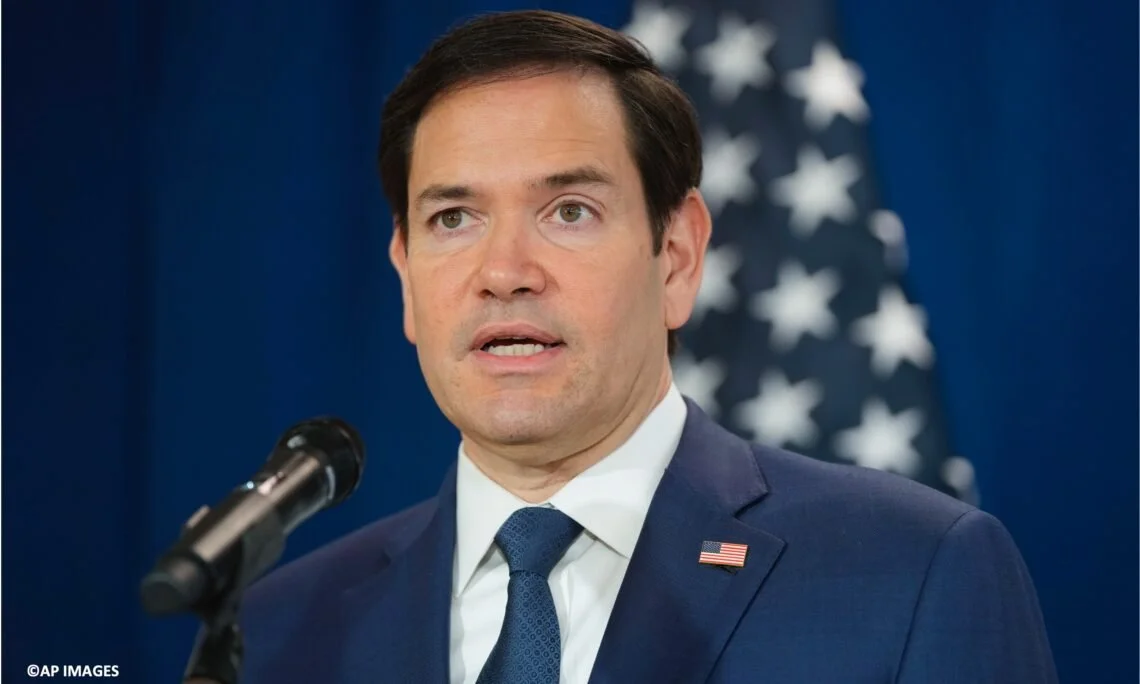
Secretary of State Marco Rubio described the Trump administration’s strategy toward Cuba in no uncertain terms in an interview published by Axios this morning.
"What we're trying to teach them is there are no escape valves," Rubio told Axios. "Every time they create a new mechanism in which they try to get out of the noose, we just close it off."
The language echoes that of Cuban-American hardliner Mauricio Claver-Carone, a close ally of Rubio who was the architect of the "maximum pressure" sanctions that began during Trump's first term.
"We'll apply new measures every week," Claver-Carone said at that time. "They're not going to know what hits them. It will always be a surprise. And when they think they see a light at the end of the tunnel, that light is going to disappear."
Watch this clip in our groundbreaking documentary Uphill on the Hill.
When the Source Writes the Story
Uphill on the Hill is just one example of how Belly of the Beast has traced the history of the U.S. government's economic war on Cuba, scrutinized the claims used to justify it and reported from the island on the people living with its consequences.
In contrast, Axios's Cuba coverage largely amounts to serving as a vehicle for Rubio and other administration officials to broadcast their message, often through anonymous sources and without providing independent, verifiable evidence. Axios is hardly alone. This type of journalism is standard practice among major U.S. media outlets covering the Trump administration’s Cuba policy.
To cite one example, Politico reported on Monday that the Trump administration has spent months expanding its intelligence presence in Cuba. One anonymous source told the outlet that the buildup could precede U.S. military action and another named the CIA as the lead agency behind the operation.
Two days later, the New York Times reported that the CIA has been quietly constructing a secret Cuba task force to sow divisions inside Cuba’s political leadership, according to anonymous "people briefed on the action."
In another article, the newspaper relied on "administration officials" to suggest that U.S. intelligence agencies were searching for a current or former Cuban official who could take power if Washington succeeds in its regime change efforts.
Meanwhile, the Times still has not retracted its fake news story, also based on D.C. sources, about a Russian spy base in Cuba, which turned out to be a school. Watch our report about the phantom base HERE.
These media outlets treat interviews with U.S. officials as journalistic scoops rather than the Trump administration's strategic communications. As one anonymous senior Trump official told Axios, there's "nothing new" about the Times's CIA task force story beyond "letting the regime know we're watching."
As for Axios, the State Department promoted its most recent story shortly after it was published, a not so subtle sign that when it comes to Cuba, the outlet might as well be a propaganda arm of the Trump administration.
Journalism You Won't Find Anywhere Else
While corporate media outlets uncritically amplify the Trump administration's messaging, Belly of the Beast reports from the island on what U.S. sanctions mean for the people who endure their impact.
If you value journalism that challenges powerful interests and tells stories about Cuba that you won't find elsewhere, please subscribe to our Patreon.
Paid subscribers get early access to stories about Cuba you won’t find anywhere else, as well as exclusive screenings, behind-the-scenes content and direct contact with Belly of the Beast’s journalists.
Share this Report
Related Stories