U.S. Policy Causes Cuba’s Blackouts. U.S. Citizens Bring Solar Panels for Pregnant Women
July 9, 2026
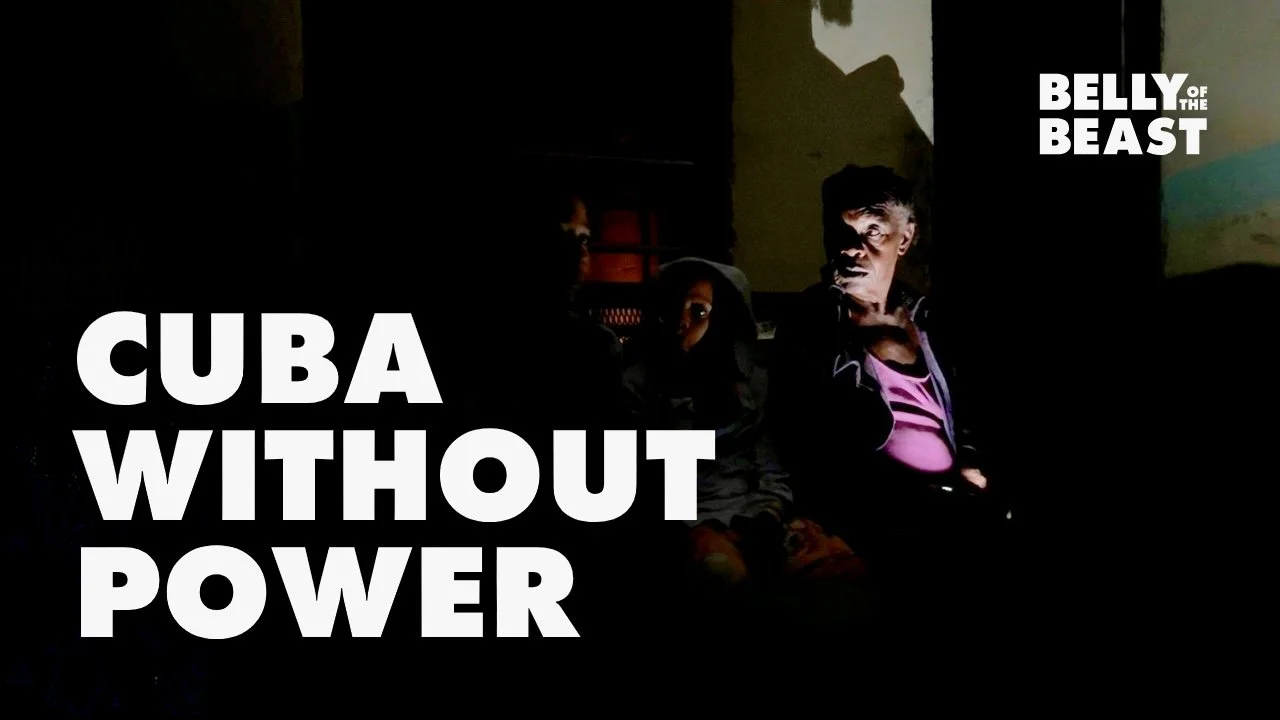
Since the 1960s, women and children have been a priority for Cuba’s universal public health system. Today, 131 maternal homes offer free specialized care for women with high-risk pregnancies. Yet not even expectant mothers can escape the U.S. oil blockade.
“We are afraid that the patients might fall, or that an emergency might happen and we don’t have lighting to handle the situation,” said Niurka Casanova Martínez, a nurse at a maternal home in Alamar, East Havana municipality.
As tighter sanctions and the oil blockade take their toll on health in Cuba — contributing to dramatically higher infant mortality — MEDICC has launched the Light for Life campaign. With donations from around the world, self-employed Cuban engineers are installing solar panels on Cuban maternal homes, putting solar to work for the health of these expectant mothers and their newborns.
For more information, see www.medicc.org.
Related Stories
Share this Report
-
Since 1960, women and children have been a priority for Cuba's universal public health system, and today 131 maternal homes offer free specialized care for women with high-risk pregnancies. Yet not even expectant mothers can escape the U.S. oil blockade.
"We spend too many hours without electricity," said Niurka Casanova Martínez, a nurse at a maternal home in Alamar, East Havana municipality. "In the dark, we're afraid they might fall. We're afraid an emergency might occur," she continued, adding that the women "don't rest well, they don't sleep, they have a harder time, they don't get any rest," and that, as a result, "maternal-fetal well-being is affected."
"It is unfortunate that the embargo from the United States has put so much strain and pressure on your country," said Ashley Smith, a nursing educator and public health nurse. "When we see them directly impacting populations as a result of our actions, as a result of our policies, it breaks my heart."
"These panels mean that despite the very difficult moment we're in there are people and organizations that want to help us, that want to help our pregnant women," said Dr. Daniurka Chaveco Camejo, a specialist in general medicine at the Gregorio Valdés Cruz Polyclinic.
At one point during the visit, a voice in the room could be heard announcing, "It's a boy."
"Maternal homes in our country aim to ensure the well-being of pregnant women and newborns," said Gretel Illana Torres, nursing supervisor of the Tamara Bunke Maternal Home in Alamar, East Havana municipality.
"I was admitted due to high blood pressure," said Daimaris Miranda Simón, a patient. "I'm here because I'm underweight and anemic," said another patient, Ana María Mateo Carrasco. Another patient at the home added, "They give us breakfast, snacks, lunch and dinner," and noted that "due to the difficulties with transportation, they take us to all the appointments. The doctors come by every day."
Casanova, the nurse, said "working with pregnant women is very rewarding work, though it requires great sacrifice and effort due to the current conditions."
Asked, "You don't have oil. What are the impacts on the mothers and babies?" Casanova said: "Lack of electricity affects us a lot. We spend too many hours without electricity." She added, "The food in the fridge can go rotten," and that "they can't get the rest that a high-risk pregnancy requires." "In the dark, we're afraid they might fall, that an emergency might occur, that someone might go into labor," she said. "We don't have the lighting to handle a situation like that," she said, adding once more that "maternal-fetal well-being is affected."
"It has been very eye-opening, to see how the health system and the health professionals are adapting to such a strain in resources and really prioritizing delivering quality care with the little supplies and medications that they have," said Kara Cook, a nurse and deputy director of the Alliance of Nurses for Healthy Environments.
"As a nurse, to see my fellow colleagues so sad, that even though they have the brilliance to protect life, how can you do this if you don't have power and electricity?" said Dr. Teddie Potter, executive director of Medical Education Cooperation with Cuba, or MEDICC.
One staff member at the maternal home said, "We have some panels that the government installed, but they don't satisfy the maternal home's needs."
A U.S. visitor told the staff, "You have two solar panels installed, with expectations to build more. I only wish you could do more." A MEDICC representative said, "We will gather funds from people in the United States to support the purchase and installation of solar panels for the roofs of maternal clinics."
"Now we can carry out our assigned tasks. We can properly cook their food, there's constant lighting, fans can be used," one maternal-home worker said. "Conditions are better for them. The quality of life within the maternal home is improved." Another staff member added, "Hopefully, the project can be extended to the entire country, to other homes that need it as well, because the current situation truly demands it."
Potter, the MEDICC director, said: "What we're suggesting is, not charity. This is an investment in the people, because the Cuban people have much to teach the rest of the world, much to offer to all of us. So why wouldn't we protect something that gives the world great hope and great opportunity?"
Support Independent Journalism from Cuba