
Children Pay the Price of U.S. Sanctions
March 13, 2026
Milena Rodríguez gave birth to her daughter, Emily, in late February of last year.
Emily was born with a rectal malformation that required urgent surgery. In the past, an operation like this at Havana's William Soler Pediatric Hospital would have been scheduled within days.
But more than two weeks after Emily was admitted to the hospital, she and her mother were still waiting. The hospital’s chief anesthesiologist, Dr. Alioth Fernández, told Belly of the Beast the delay was due to the lack of an anesthetic machine.
An operation date was set after a working machine was sent from another hospital. But it was postponed once again when William Soler's water pump stopped working due to a power outage.
“There are no words for this,” said Rodríguez. “I was desperate for my daughter to have the surgery.”
Not long ago, such a problem was unthinkable at the hospital.
“Before, a child was diagnosed with cancer and within three days they’d be in surgery,” said Fernández. “The health system was designed to respond rapidly.”
In 2019, the William Soler hospital performed 10,000 operations a year, according to Fernández. By 2025, that number was down to just 2,000.
The massive decline in the hospital’s ability to treat children coincides with the U.S. government ramping up of “maximum pressure” sanctions. The connection is hard to miss.
“You can’t say this isn’t caused by the blockade,” said Rodríguez.
In the end, with the water pump working and the replacement anesthetic machine in place, Emily’s surgery went smoothly. Other children in Cuba have not been so lucky.
Sanctions Impact the Most Vulnerable
For decades, Cuba’s infant mortality rates (deaths of children under the age of one) were among the lowest in the world. Since the 1970s, Cuba has achieved lower rates than those in the United States.
But over the past eight years, infant mortality in Cuba has more than doubled: from 4.0 to 9.9 per 1,000 live births.
A viewpoint article in last month's British Medical Journal Paediatrics Open concluded that intensified U.S. sanctions are to blame.
“During warfare, it is unacceptable to target innocent civilians,” write the article's authors. “There are, however, no controls on the impact of sanctions, which directly impact on the most vulnerable.”
According to an October 2025 study in The Lancet Global Health, U.S. sanctions result in the deaths of more than 500,000 children and adults each year globally.
(Check out the investigative documentary we produced for Al Jazeera's People and Power that connects the dots between U.S. sanctions and the deterioration in Cuba's ability to provide healthcare).
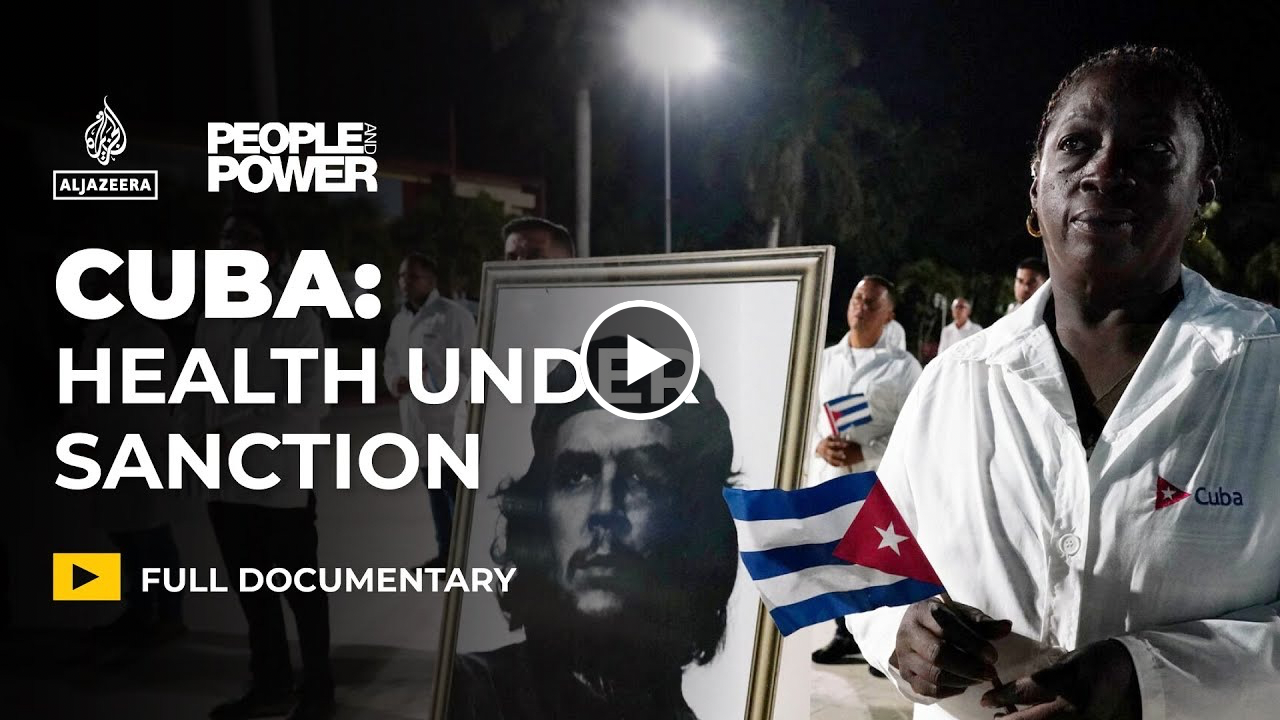
Conditions in Cuba’s hospitals have gone downhill at an accelerated pace since the Trump administration imposed an oil blockade on the island in January. Cuba's President Miguel Díaz-Canel said today that Cuba had not received any fuel in three months.
Dr. Niurka Morán Obregón, the head of neonatology at the Ramón González Coro Maternity Hospital, told Belly of the Beast that extraterritorial U.S. sanctions make it difficult, if not impossible, to get new equipment, like incubators and ventilators.
More than 11,000 Cuban children are awaiting surgery, according to Cuba’s Ministry of Health.
“The blockade overwhelms us,” said Dr. Morán Obregón. “Maternal illnesses, pregnancy-related pathologies, and low birth weights have all risen, as have premature births.”
Meanwhile, exacerbated food shortages have also contributed to higher infant mortality rates, in part because many pregnant women aren’t able to access enough food, according to Dr. Imti Choonara, one of the authors of the report and Emeritus Professor in Child Health at the University of Nottingham in the United Kingdom.
Now, on top of severe shortages of medicine and medical equipment, Cuba’s hospitals are facing a scarcity of fuel. The government has sought to keep the lights on at hospitals, even when entire cities lack electricity. But that safeguard is also faltering.
"It’s not a sick child’s fault if they happen to have been born in a communist country,” said Fernández. “They say these sanctions are against the regime. But the children are the ones who feel them.”