Cuban Doctors Respond to U.S. “Forced Labor” Accusations
June 20, 2026
U.S. politicians call Cuba’s medical missions “forced labor,” without providing evidence to back the claim.
Cuban doctors volunteer to go on international missions, where they are paid many times more than what they make in Cuba. Cuban medical workers have served on international cooperation missions in more than 150 countries since the 1960s, usually working with populations that otherwise wouldn’t have access to care.
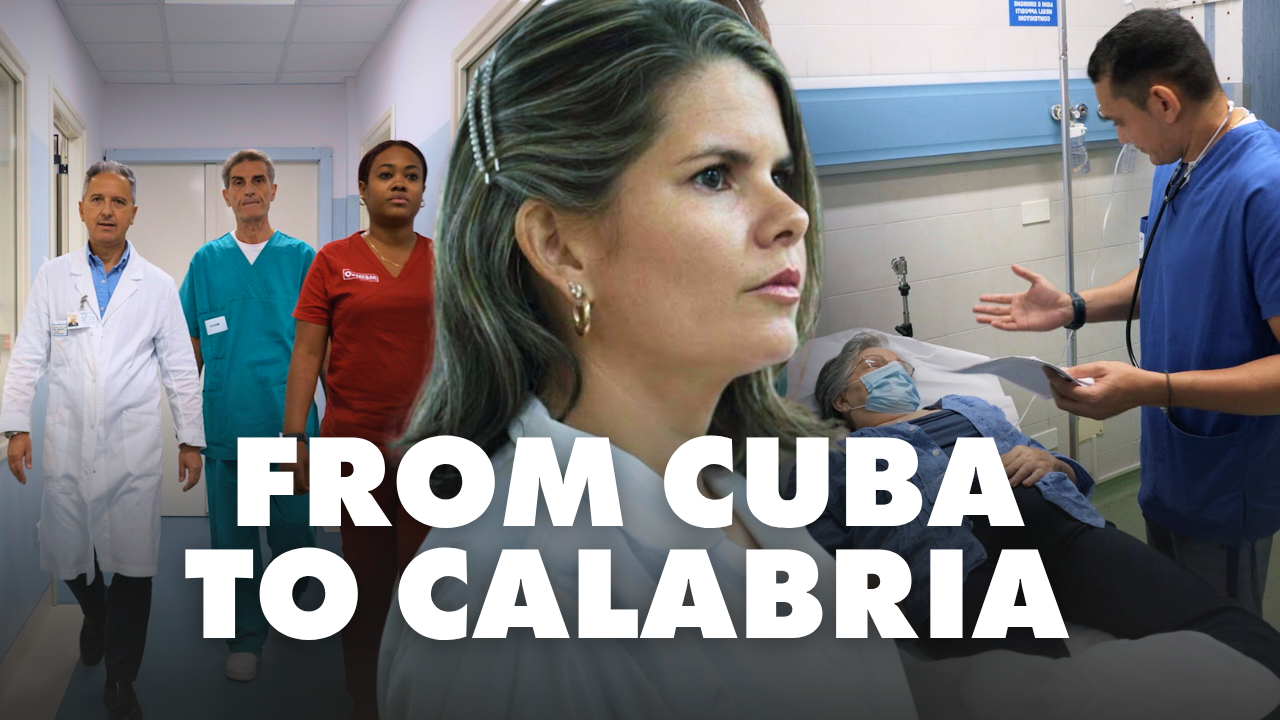
Listen to Cuban doctors in Italy’s Southern region of Calabria respond to U.S. accusations.
Watch our documentary film “From Cuba to Calabria: Medical Missions in Times of Crisis.”
Related Stories
Share this Report
-
“We know that Cuban doctors are slaves of the regime,” says Rep. Maria Elvira Salazar (R-FL)
“They basically operate as forced labor,” says Secretary of State Marco Rubio.
“It’s modern-day slavery. That’s how the State Department qualifies them: human trafficking,” says Rep. Mario Diaz-Balart (R-FL).
U.S. politicians have attacked Cuban medical cooperation for years.
The U.S. is pressuring countries to expel Cuban doctors. Since 2025, at least eight countries have announced they will no longer receive the Cuban missions.
U.S. Chargé d’Affaires to Cuba Mike Hammer traveled to Calabria in 2026 to pressure its president to end the Cuban mission.
Do Cuban doctors working in Calabria think they are “forced labor”?
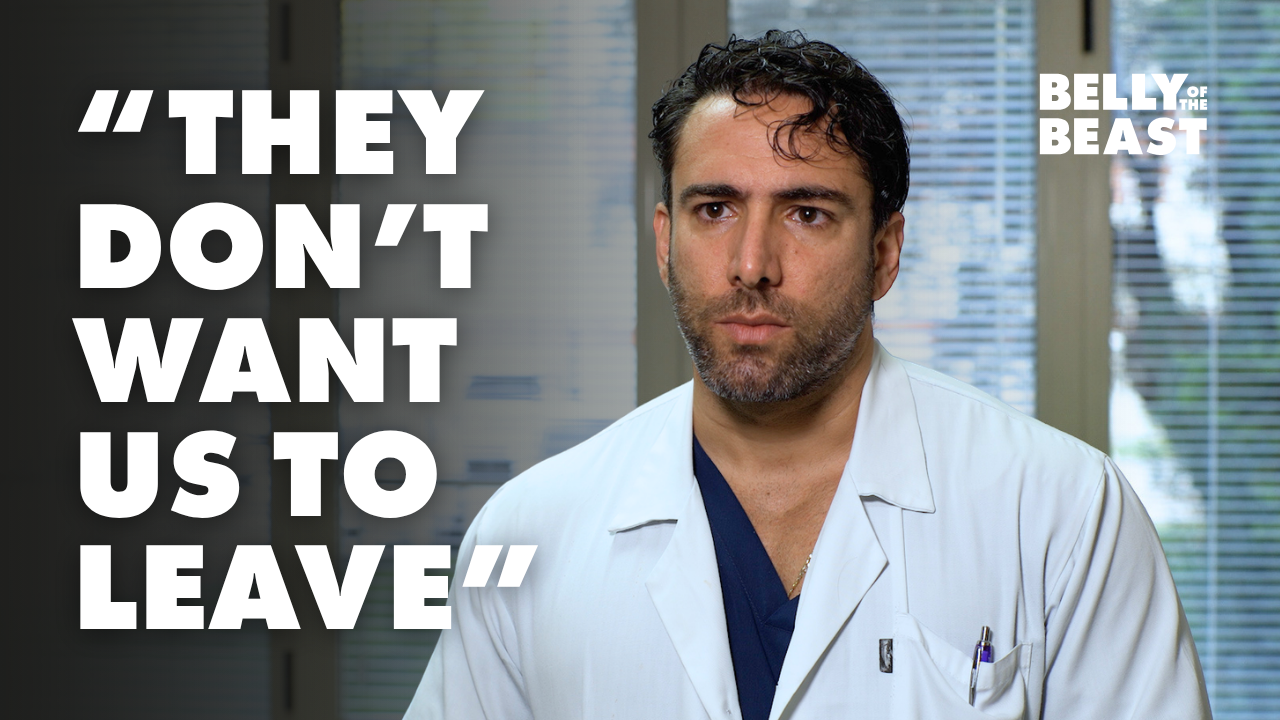
“No one forced me to come to Italy. I signed a contract. When you sign a contract, you either accept the conditions, or you don’t,” says Dr. Adrián Naranjo.
“They’ve said we’re slaves, that we’re forced to come here to work. That’s not true. I’m here because I want to be,” says Dr. Yaima Suárez.
In Cuba, doctors’ monthly salaries range from the equivalent of 15 to 40 USD. In Italy, every month they take home 1,200 euros.
“Our salaries are much higher when on mission. You can help your family back home,” says Dr. Daniel Mas.
“Our goal here is to buy a house in Cuba,” says Dr. Yailin López.
“It’s hard to leave the country and leave your family behind with the crisis Cuba is going through now. But we see the mission as our way to help our families back in Cuba. People say the issions are the only way for us to improve your life. It’s true. You can’t deny it. But I like what I do. I became a doctor because I want to help,” says Dr. Yohandrys López.
“ There’s the idea of solidarity, but nobody does this for solidarity alone. You choose to go on mission, not just to help, but for the money, the culture, and to grow as a professional,” says Naranjo.
Calabria pays the doctors around 2,800 euros a month. The doctors keep 1,200. The Cuban state receives the rest. The doctors can make much more working overtime. Cuban receives 50% of the overtime pay. The doctors are also provided with housing in Calabria. The medical missions bring in billions of dollars a year to the Cuban state.
“It makes me happy to know the money I earn helps the Cuban health system that treats my parents,” says Naranjo.
“We know the situation the country is going through. So the missions benefit both of us. They help me as a professional and they help the country. And right now, every bit of help is necessary,” says López.