
From Palenquito Hill to Caracas: The Story of Yunio
January 19, 2026
By Amba Guerguerian and Liz Oliva Fernández
At 10:00 p.m. on January 3, Cuban journalist Claudia Rafaela received a phone call from a friend. “Claudia, Yunio died in the attack on Venezuela.”
She was in shock. She asked her husband to take her to Yunio’s wife’s house.
“There was a lot of silence,” said Claudia. “We cried,” Claudia told Belly of the Beast reporter Liz Oliva Fernández in an interview.
Claudia’s close friend Yunio was a 31-year-old father of three young children. He was one of 32 Cubans killed when President Nicolás Maduro and his wife, Cilia Flores, were abducted by U.S. Special Forces in Caracas on January 3. According to Venezuela’s interior minister, one hundred people, including civilians and security personnel — but no U.S. forces — were killed during the attack.
Yunio had been sent to work in Venezuela on an internationalist mission as a communications specialist. “He was in charge of everything related to encrypting messages that were sent or received on matters of national security,” said Claudia.
Information about the circumstances of his death is limited. “I know very little about how he died,” said Claudia, who was told that Yunio was killed while fighting. “How does a cryptographer die in combat? I have no idea. I imagine that, as part of the resistance, everyone there was given a weapon.”
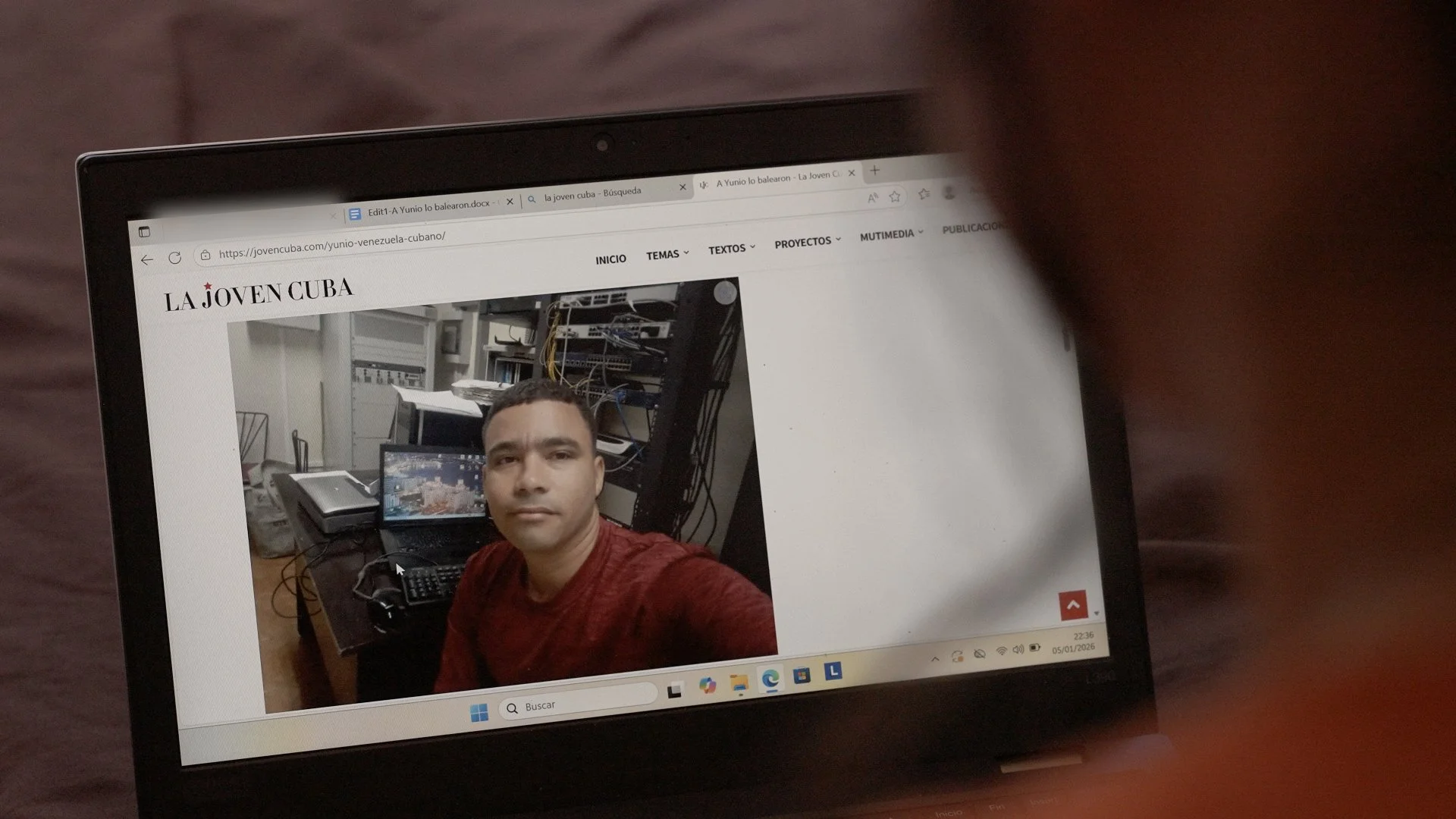
Yunio wasn’t permitted to talk about his work. “I didn’t know he worked directly with Nicolás Maduro,” said Claudia. “In Venezuela, there are Cuban advisors in the Ministry of Culture, the Ministry of Health, also in the Ministry of the Armed Forces and the Ministry of the Interior.”
Since the election of socialist President Hugo Chávez in 1998, Venezuela has been Cuba’s closest ally. Shortly after his election, Chávez and Fidel Castro signed the Cuba-Venezuela Comprehensive Cooperation Agreement, which saw Cuban specialists lend their expertise in Venezuela in the fields of culture, education, health and more. Cuba sent thousands of professionals, mostly in the health sector, to work in Venezuela. In exchange, Venezuela shipped oil to the island. (For more about Cubans working in Venezuela, read our recent article.)
After the United States began to attack Venezuelan boats in the Caribbean Sea in September, Yunio mentioned to Claudia that the situation had become tense, but she said he remained calm: “I think he didn’t imagine he would be in danger.”
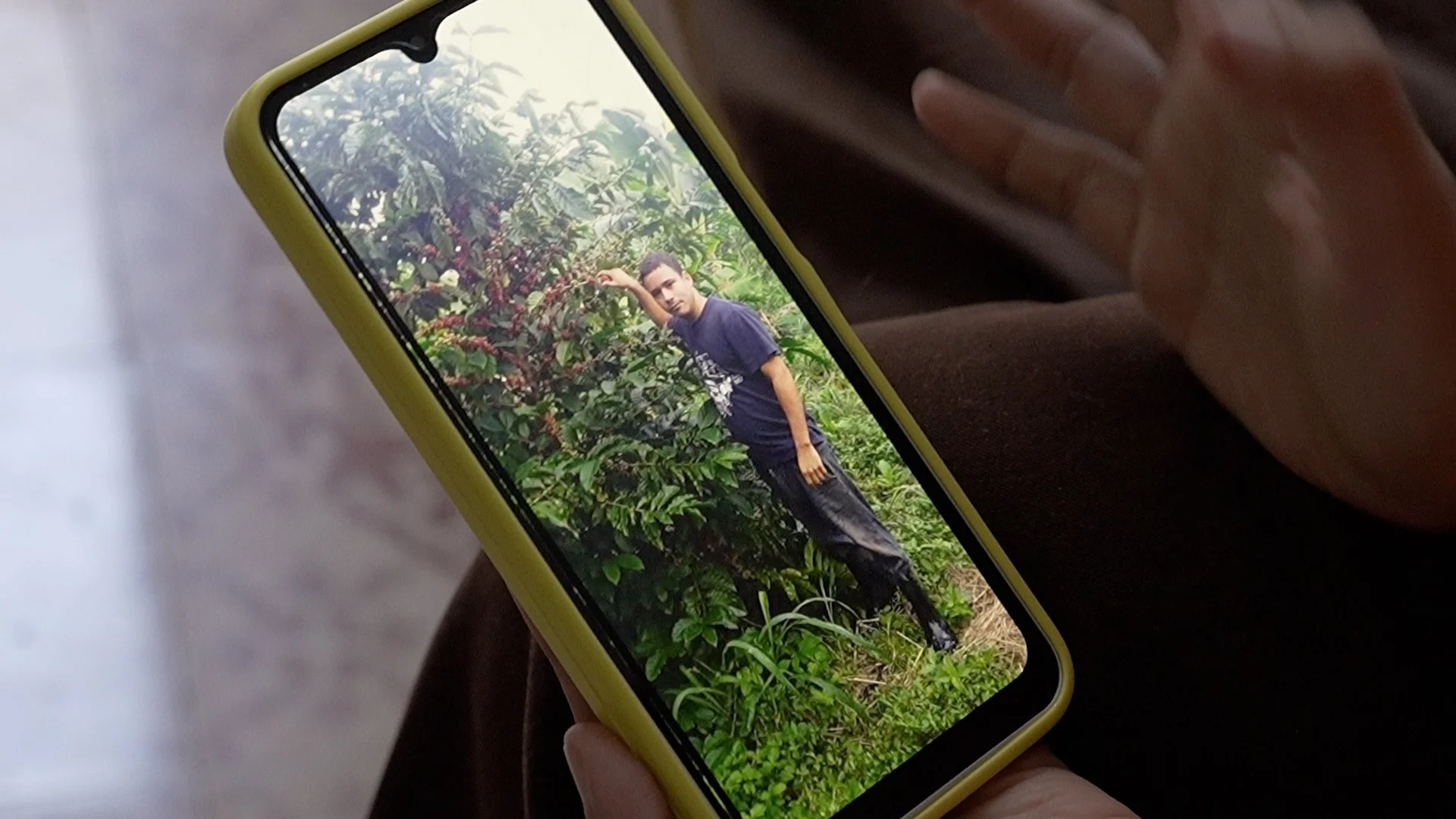
Claudia met Yunio in high school in Havana. He was from Palenquito Hill, a small rural village in Yateras, Guantánamo, not far from the notorious U.S. prison on the eastern part of the island. According to Claudia, the area was so isolated that on rainy days, the only way to reach Yunio’s family’s home — made of palm and dirt — was on horseback. Yunio was proud of his guajiro background, said Claudia, pointing to a photograph of him picking coffee beans.
She described Yunio as a dedicated family member: a son, brother, uncle, husband and father. The two spoke frequently about his plans after returning from Venezuela. The assignment offered him the opportunity to save money to purchase a home. Cubans who serve on missions abroad are usually paid many times more than their salary in Cuba. The last conversation Claudia had with Yunio was about how he was in the final stages of buying a small house in Havana.
“Do you think that at any moment during the armed confrontation, the gunfire, the bombs falling, Yunio might have regretted choosing the path he chose?” Liz asked Claudia at one point during the interview.
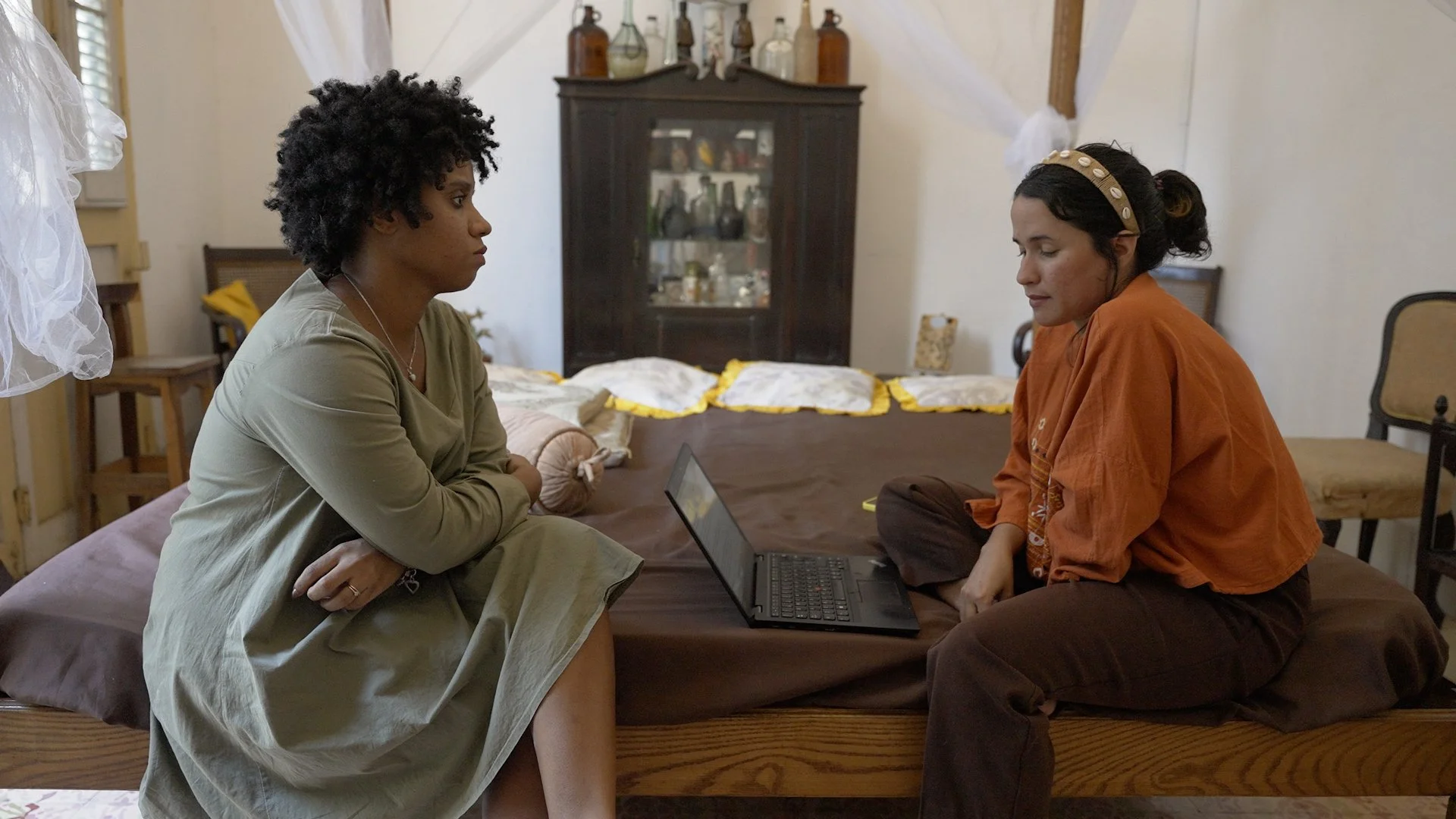
“I don’t think he would have ever regretted his career or the life he chose because that life allowed him to improve his family’s situation,” said Claudia. “Yunio was a patriot. Yunio loved what he did. He combined his passion for mathematics, electronics, computers, technology, with the discipline and loyalty that being in the military, being a soldier, requires.”
Since Yunio’s death and the events surrounding it, Claudia has been fearing the expansion of war in Venezuela given the pattern of U.S. military intervention under Trump. “I think about how vulnerable we are, how vulnerable any country is.”
Claudia said she agreed to be interviewed because it was her way of “fighting against what killed” Yunio.
“I have no desire to stay silent, honestly,” she said. “I have no desire to lie in bed and suffer and suffer until it passes, or until someday I forget that I lost one of my best friends.”
The last message Yunio sent Claudia read: “I wish you a beautiful end of the year with your family and lots of health and blessings for the year 2026.” He sent it on New Year’s Eve. On January 3, after learning of his death, Claudia replied: “I’m going to miss you with all my heart. With all my heart.”