
U.S. Sanctions: “Deliberate Sabotage”
April 24, 2026
For Morris, U.S. sanctions are not just one factor among many — they are “deliberate sabotage” of the Cuban economy and the central driver of the crisis. Their effects go far beyond limiting trade with the United States. They also shut out Cuba from the international financial system, which contributed to the country's inability to recover from the Covid-19 pandemic.
At the same time, the U.S. imposed measures that brought U.S. visitors to the island to a near total halt while greatly reducing tourism from Europe.
Cuba’s devastating economic crisis has dominated headlines in recent months — but much of the coverage leaves out crucial context.
Corporate media outlets often fail to look beyond the recent U.S. oil blockade while Cuba’s economic collapse is attributed to Communism or economic mismanagement. Sanctions get only passing mention or are airbrushed out completely. For example, an op-ed by U.S.-based Cuban economist Ricardo Torres published Thursday in Time, doesn’t mention the embargo, sanctions or the blockade even once.
A close look at when Cuba’s economy began to decline reveals a different story.
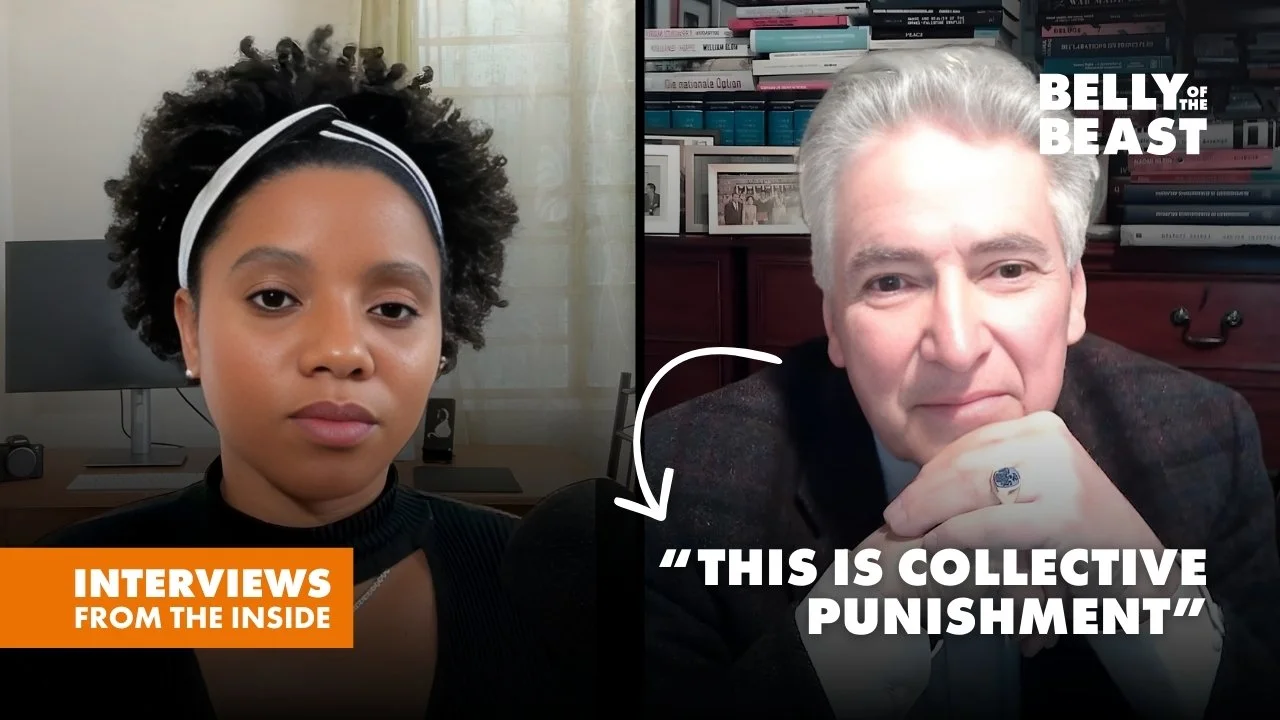
In an interview with Belly of the Beast journalist Liz Oliva Fernández, British economist Emily Morris explains how the precipitous economic downturn maps directly onto the ramping up of the U.S. government’s economic war on the island that began during Donald Trump’s first term.
“This current crisis definitely started in 2019,” said Morris.
As we documented in 2020 in our award-winning series The War on Cuba, Trump imposed a wave of “maximum pressure” measures targeting Cuba’s access to foreign currency.
“There wasn’t enough fuel,” said Morris. “And the economy started to go down.”
Related Stories
Why U.S. Policy Toward Cuba Violates International Law
Share this Report
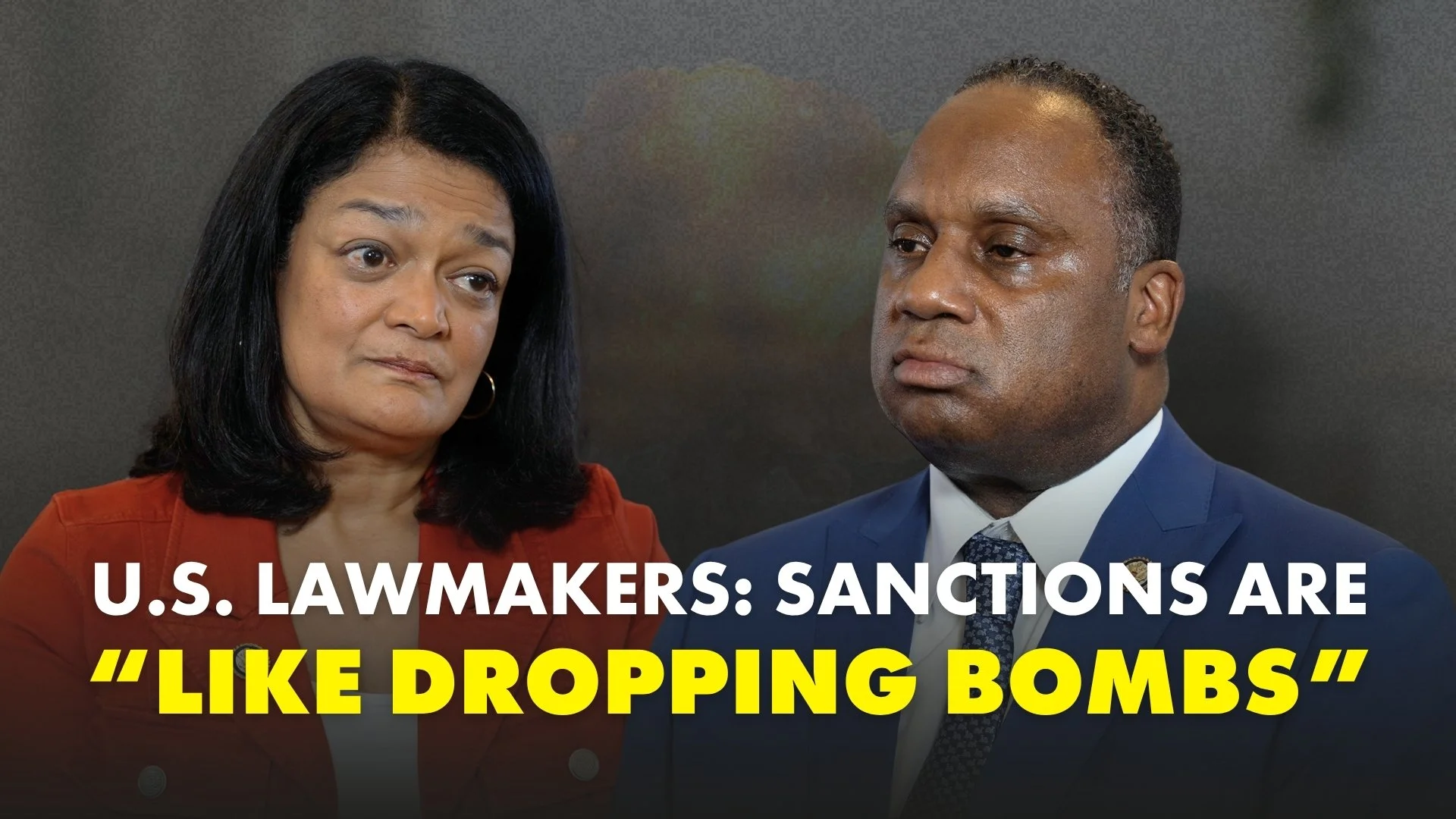
U.S. Lawmakers Pramila Jayapal & Jonathan Jackson Speak in Cuba
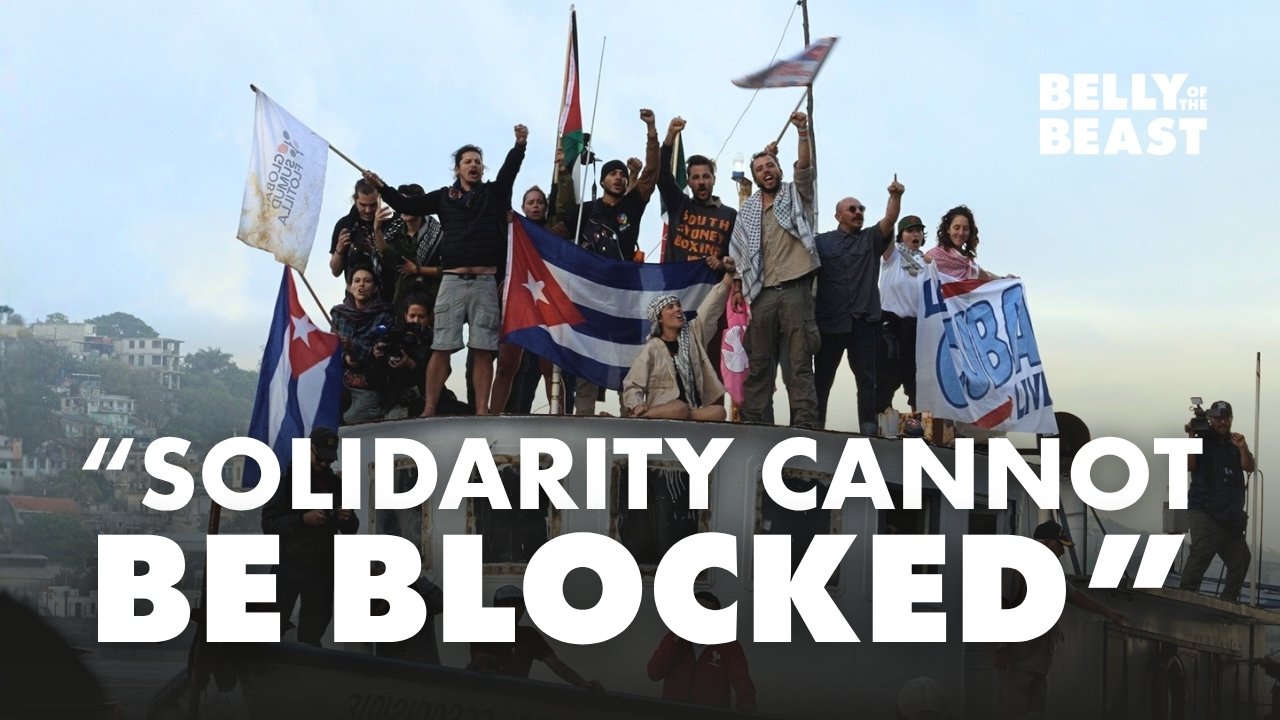
Why Activists from 11 Countries Sailed to Cuba
Support Independent Journalism from Cuba

“Cuba was hit very, very hard like the rest of the Caribbean, when tourism collapsed or disappeared during Covid,” said Morris. “But the other countries in the region have actually recovered. They bounced back because the tourists came back as soon as the flights were restored, whereas that hasn't happened in Cuba.”
The implementation of Title III of the Helms-Burton Act (read more about that HERE) and Cuba’s designation as a “State Sponsor of Terrorism” deter foreign companies and banks from engaging with the country. Even when transactions are legal, the risk of steep fines or jeopardizing access to the U.S. market keeps many potential investors and partners away.
“They’re making rational business decisions,” said Morris. “Why risk U.S. business for a small market like Cuba?”
On the island, scarcities have fueled public frustration and suspicion about where state revenue is going. But Morris pushes back on the idea that resources are being siphoned off.
“The reality is that there is no money,” she said.
Morris also points to the heavy financial burden carried by Cuba’s socialist system. Unlike most countries, Cuba maintains extensive public services and a broad social safety net, including free healthcare and education, cultural and sports programs, and subsidized food and electricity. These are long-standing commitments, but they come at a high cost.
“Sustaining those things is very expensive,” Morris explains, especially in a context where revenue streams are being squeezed.
Still, Morris sees a path forward — if U.S. policy changes.
“If the U.S. were to lift sanctions,” she said, “the Cuban economy, within five years, would be prosperous.”